Reading Time | 5 Minutes
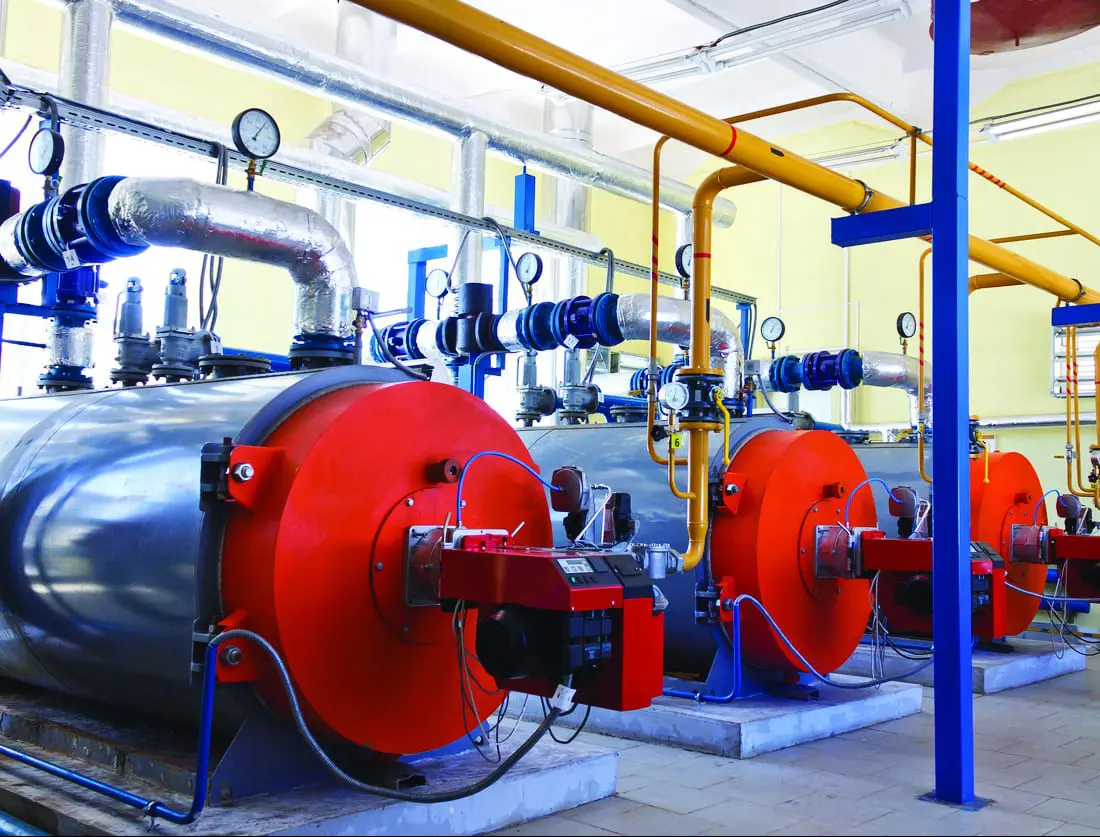
Flushing a boiler removes built-up sediment, minerals, and other debris that can diminish efficiency and shorten your boiler’s lifespan. Over time, contaminants in the water cause scale and blockages, which reduce heat transfer, increase energy costs, and potentially lead to system breakdowns.
Flushing frequency depends on several factors:
If you notice any of these symptoms, it may be time to flush your boiler:
Skipping the right shutdown steps isn’t always obvious until you fire the boiler back up and find corrosion, scale, or worse. A quick end of season check helps make sure your layup treatment and water chemistry are protecting your system all offseason.
A practical buyer's guide for evaluating boiler water treatment programs — covering chemistry, service levels, and total cost of ownership before you sign anything.
Fill out the form for instant access.
If you’re comfortable with basic home maintenance, you can flush your boiler yourself. However, always refer to your manufacturer’s instructions or consult a professional if you’re unsure.
Corrosion and scale don’t stop when your boiler does — they just work undetected all offseason. Make sure your end of season treatment program is in place before you walk away for the season.
Knowing how often to flush a boiler is a key part of efficient system maintenance. Whether it’s every six months for a steam boiler or once a year for a hot water unit, consistent flushing prevents scale buildup, improves heating performance, and saves you money in the long run. If you’re not sure how to flush your boiler correctly—or prefer expert assistance—consult a professional technician to handle the task safely and thoroughly.
A practical buyer's guide for evaluating boiler water treatment programs — covering chemistry, service levels, and total cost of ownership before you sign anything.
Fill out the form for instant access.
Steam boilers should typically be flushed every 6 to 9 months, while hot water boilers can usually be flushed once a year. However, if you have hard water or heavy boiler usage, more frequent flushing may be needed.
You may need to flush your boiler if you notice:
Flushing removes sediment, scale, and mineral buildup that can reduce heat transfer, increase energy costs, and cause long-term damage. It improves efficiency, extends the system’s lifespan, and helps prevent breakdowns.
Yes, if you’re familiar with basic maintenance tasks, you can flush your boiler yourself. Always refer to the manufacturer’s instructions. If you’re unsure or uncomfortable, it’s best to hire a qualified technician.
Yes. Hard water contains high mineral content that accelerates scale buildup. If you’re in a hard water area, consider flushing your boiler every 3 to 6 months to maintain performance and reduce damage.
Failure to flush your boiler regularly can lead to clogged pipes, overheating, reduced efficiency, increased fuel bills, and eventually costly repairs or system failure.
Flushing before winter ensures your heating system is clean and ready for high-demand use. However, flushing after winter helps remove debris accumulated during heavy use. Some homeowners do both for optimal performance.
From flushing guidance to full boiler water treatment programs, ChemREADY supports safe, efficient, and reliable boiler operation across industrial and commercial systems.
Book a 30-minute conversation directly. We'll discuss your water treatment situation and whether working together makes sense.
Book a 30-minute call →Take a look at our water treatment services first. See where you stand across chemical programs, system performance, and municipal compliance — then decide if a conversation makes sense.
Find out what a buyer would see →Browse everything we do in water treatment — chemicals, equipment, and services — at your own pace, no conversation required.
Explore our water treatment solutions →We work with advisors who encounter infrastructure gaps in municipal water and drinking water client businesses. If you're looking for a referral partner for pre-sale readiness work, let's talk.
Learn about our partner program →