Legionella can grow in building water systems. It can spread when tiny water droplets get into the air (aerosols). New Jersey passed a statewide law to push better prevention, clear plans, and better records—so fewer people get sick.
About Testing (What the Law Is Pushing)
The law ties programs to sampling/testing, including testing for Legionella pneumophila, and expects sampling/testing to match DOH rules and best practices.
The NJ Law Focuses on Two Areas
Add Your Heading Text Here
Drinking Water Utilities
Some public community water systems must keep a minimum disinfectant level in the active parts of their system:
Free chlorine: 0.3 mg/L OR
Monochloramine: 1.0 mg/L
Utilities also have to follow a distribution system management plan and provide annual certification to NJDEP.
Add Your Heading Text Here
Certain Buildings and Facilities
Some buildings must have a Water Management Program/Plan (WMP) for Legionella. These programs are expected to follow ASHRAE 188.
ChemREADY Water Safety & Management Plans
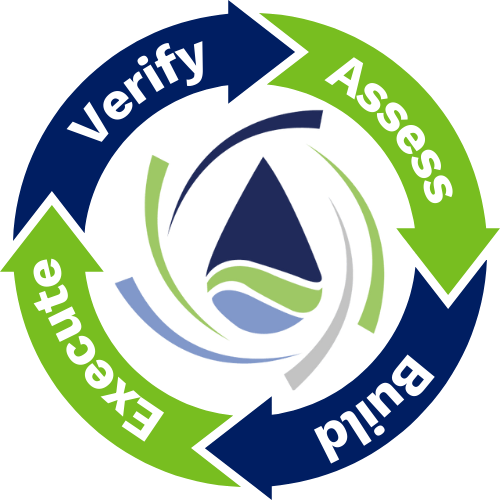
A Water Management Plan is a living document that defines your building-specific risks, control limits, monitoring routines, and exactly what to do when limits are out of range.We help you build it correctly, then help you run it.
New Jersey’s Legionella requirements apply to several building types, including hospitals, healthcare facilities, residential high-rises with centralized hot water, hotels and motels with 25+ transient units, senior or disability housing, correctional facilities, and any site previously tied to a Legionnaires’ disease outbreak. Facilities with aerosol-producing equipment—such as cooling towers, pools, spas, whirlpools, and fountains—are also included. If you’re unsure whether your building is covered, a quick system review is the safest starting point.
A Water Management Program (WMP) is a written, practical roadmap for controlling Legionella in building water systems. A strong WMP outlines team responsibilities, system descriptions, and simple diagrams; identifies where risk is most likely to occur; defines control measures such as temperature, disinfectant, flushing, and cleaning; sets monitoring steps and acceptable limits; provides clear corrective actions; and ensures organized recordkeeping.
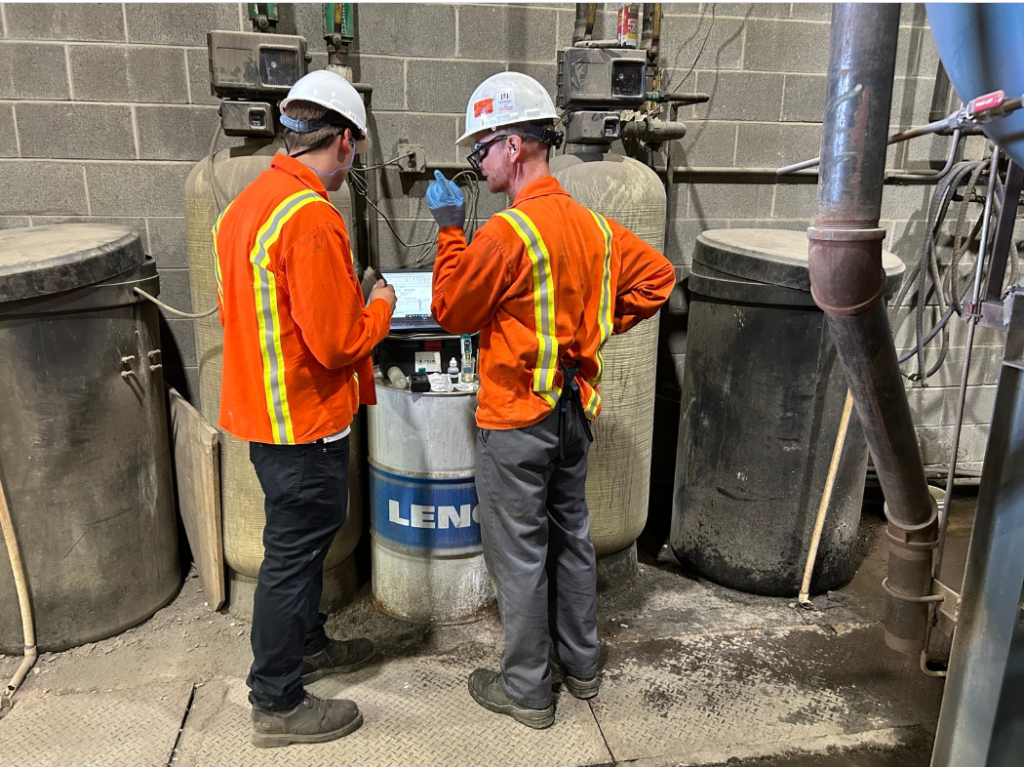
The law links water management programs directly to sampling and testing, including testing for Legionella pneumophila. Testing must align with state and DOH guidance. In practice, this means starting with an environmental assessment, designing a thoughtful sampling plan, and selecting sampling locations that represent the entire system—central points, aerosol devices, and other high-risk areas.
The NJ law includes defined implementation timelines. Covered buildings must implement a Water Management Program within 27 months of the law taking effect. Public water systems must complete their distribution system management plan within six months of NJDEP publishing best practices and submit annual certification. Exact enforcement steps may vary by facility type and agency guidance.
Water Management Plans / Programs (ASHRAE 188-aligned)
Legionella testing strategy + coordination
Corrective action and remediation support
Ongoing consulting to keep the program consistent over time
NSF Certified Chemicals
Our formulations meet NSF safety standards to protect your people and your equipment.
50+ Years of Expertise
Backed by decades of industry experience and a proven track record of results.
Regional Expertise
Serving facilities across the midwest with responsive, local water treatment support.
Want to know what applies to your NJ building?
Tell us what type of facility you manage and what water systems you have (hot water loop, cooling tower, spa/pool, fountains, etc.). We’ll recommend the best first step.
Protect occupants and stay compliant with a customized Water Safety and Management Plan. Our programs identify risks, establish controls, and help you meet current Legionella guidance and standards.
Accurate testing is critical for proactive water management. You can rely on our Legionella and water quality testing services to support compliance, documentation, and corrective action planning.
Understand where risks exist before they become problems. Our Legionella risk assessments evaluate your building systems and provide clear recommendations to reduce exposure and liability.