“Hauling water, not solids? Watery sludge drives disposal costs and downtime. Filter presses turn it into dry, stackable cake so you ship less and save more.”
“Packaged plants deliver a compact, self-contained system (make-down + small filter press + mud condenser) that’s largely automated and supports closed-loop reuse.”
“When fine, charged particles refuse to settle, coagulants neutralize the charge so solids bind and dewater—restoring clarification and press performance.”
“Unstable dewatering and muddy filtrate drive downtime and maintenance—high-quality flocculants form strong, fast-settling flocs that stabilize separation and cut operating costs.“
Manufacturing and industrial facilities in Denton generate sludge and waste solids from a variety of processes. Industries in the area including university campuses and research facilities (unt, twu), technology, light manufacturing, distribution, healthcare, and food and beverage produce wastewater treatment sludge, process residuals, machining swarf, paint sludge, and other wet waste streams that must be dewatered before disposal or further processing. Without effective dewatering, facilities face escalating disposal costs — because hauling wet sludge means paying to transport water — along with storage challenges, odor issues, and potential regulatory non-compliance with waste accumulation time limits.
The economics of professional dewatering in Denton are compelling for any facility generating regular sludge volumes. A properly optimized filter press operation can reduce sludge volume by 60–80%, producing a stackable filter cake that costs dramatically less to haul and dispose of than liquid or thickened sludge. For facilities currently spending $3,000 or more per month on sludge hauling, professional dewatering service frequently pays for itself within the first quarter through disposal cost reduction alone — often with significant savings beyond break-even.
Denton’s water supply from surface (lewisville lake, ray roberts lake via city of denton utilities) with moderate-hard (100-180 ppm) levels influences the characteristics of treatment sludge generated by your facility’s water and wastewater systems. The elevated mineral content in the local water creates denser, heavier sludge particles that generally respond well to cationic polymer conditioning. However, achieving optimal cake dryness — the key driver of disposal cost savings — requires proper polymer type selection and dosage optimization through bench-scale jar testing with your actual sludge. A one-size-fits-all polymer program leaves performance and savings on the table. TCEQ Region 4 (Dallas/Fort Worth) regulates waste handling and disposal in the Denton area, and proper sludge characterization is essential to determine the appropriate disposal pathway and ensure full regulatory compliance.
EnviroTech’s Denton service team delivers the full range of dewatering services to commercial and industrial facilities across Denton County and the surrounding area. Every program is designed by Certified Water Technologists and supported by local service technicians who understand Denton’s specific water chemistry and regulatory landscape.
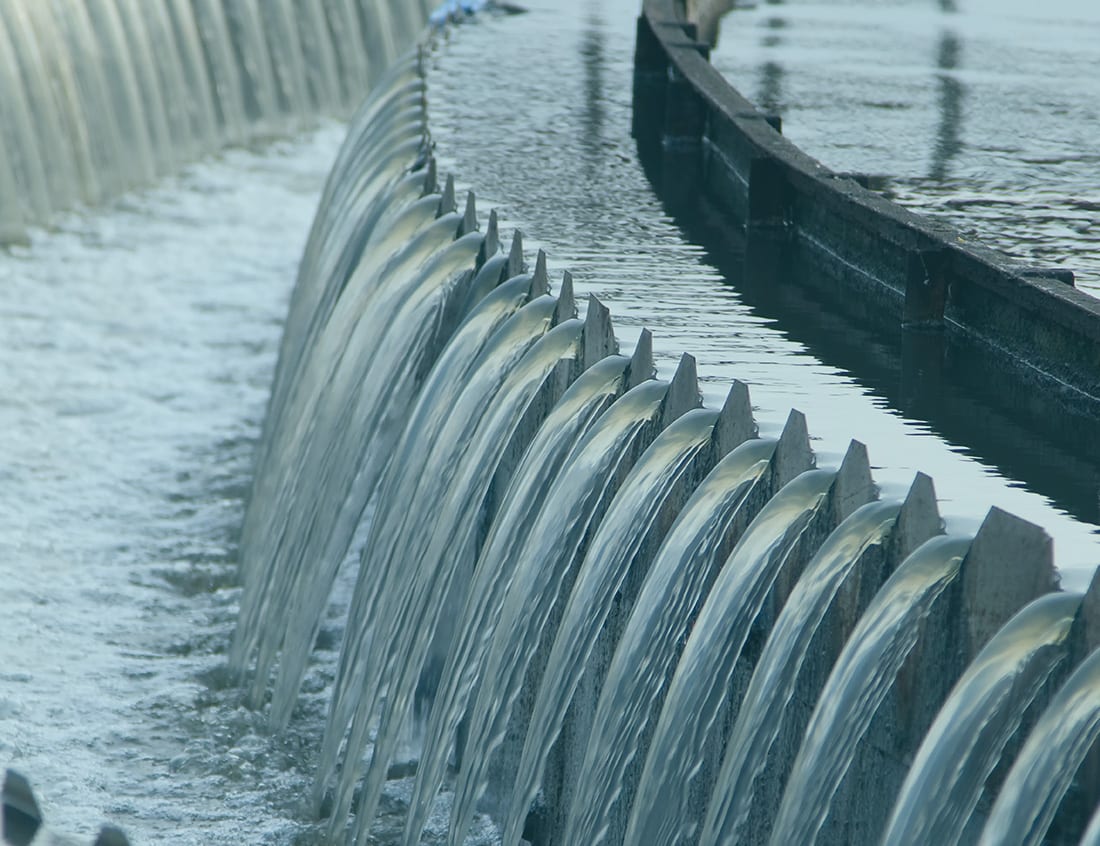
Our dewatering process maximizes volume reduction with minimal disruption:
Q: How much does dewatering cost in Denton?
Single-event filter press mobilizations: $3,000–$10,000. Recurring contracts reduce per-event costs. ROI is typically positive within one quarter — disposal savings from 60–80% volume reduction usually exceed service costs. EnviroTech provides free sludge characterization and cost analysis.
Q: What dewatering equipment is available for rent in Denton?
EnviroTech offers portable filter press and belt press rental for Denton-area facilities. Available for planned projects, scheduled cleanouts, turnarounds, and emergency situations. Rentals include delivery, setup, operator training, and technical support.
Q: What Denton industries need dewatering?
Denton’s industrial base — including university campuses and research facilities (unt, twu), technology, light manufacturing, distribution, healthcare, and food and beverage — generates sludge from wastewater treatment, surface finishing, machining, and general operations. Any facility accumulating wet sludge is a candidate for professional dewatering.
Q: How does Denton’s water affect dewatering?
Water from surface (lewisville lake, ray roberts lake via city of denton utilities) with moderate-hard (100-180 ppm) levels influences sludge characteristics. Higher mineral content creates denser particles that dewater well with cationic polymers, but require optimization for maximum cake dryness. EnviroTech jar-tests your actual sludge before every project.
Q: What is polymer optimization?
Testing your actual sludge against multiple polymer chemistries to find the best combination of capture rate, cake dryness, and cost-per-dry-ton. Wrong polymer = wet cake, wasted chemicals, higher disposal costs. EnviroTech performs bench-scale testing before every dewatering project.
EnviroTech provides dewatering services throughout Denton County and surrounding areas. Our Fort Worth service team also serves:
Lewisville · Flower Mound · Little Elm · Corinth · Lake Dallas · Sanger · Frisco · Carrollton · Fort Worth
Whether you need a new program, a second opinion, or emergency support, our Denton-area team is ready.
7620 Flagstone St, Fort Worth, TX 76118, USA
(574) 254-0275
F: 330-425-8202
sales@getchemready.com
