Reading Time | 5 Minutes
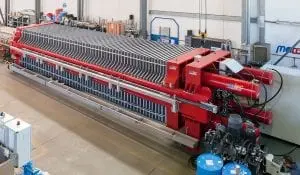
Unplanned filter press maintenance downtime is one of the fastest ways to disrupt wastewater dewatering operations. Whether it leads to rising disposal costs, halted production, or compliance concerns, a filter press that’s offline quickly becomes more than a maintenance issue—it becomes a business problem.
The good news is that most filter press failures are predictable and preventable. The same few issues account for most unexpected shutdowns.
Below are the most common reasons filter presses go down, what causes them, and how proactive filter press maintenance can prevent costly interruptions.
Solids embed in cloth weave gradually, then suddenly your cycle times double and cakes won’t release. A proactive washing schedule and the right chemistry program stops blinding before it forces a shutdown. ChemREADY’s maintenance team sets both up for you.
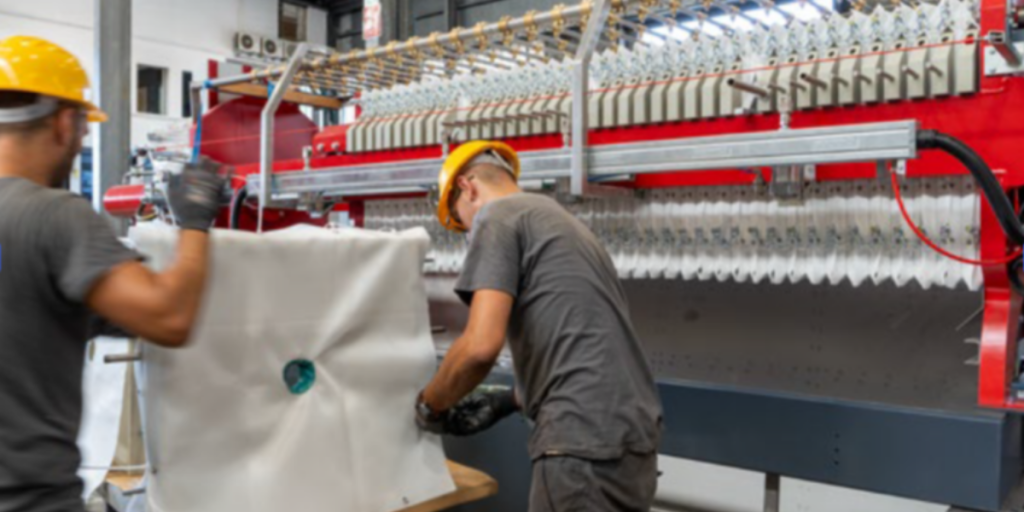
Filter cloths are one of the most critical components in any filter press system—and one of the most frequently overlooked. Over time, cloths degrade due to wear caused by chemical exposure, abrasion, and insufficient cleaning.
Common warning signs include:
How to prevent premature filter cloth failure:
Proactive filter cloth management alone can prevent many performance issues that are often misdiagnosed as larger mechanical problems..
Degraded cloths, seals, and plates quietly reduce throughput and increase cycle times. Download ChemREADY’s free Spare Parts Checklist to see what’s due for replacement — before efficiency becomes downtime.
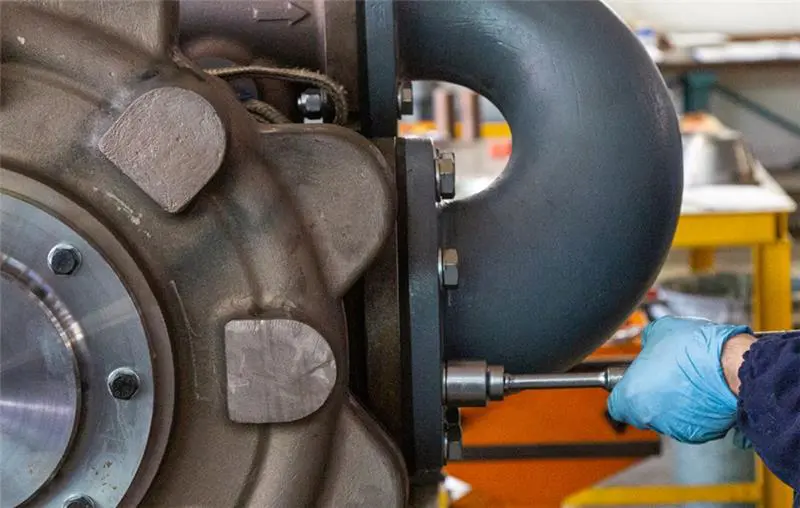
Hydraulic issues are a major contributor to unplanned filter press downtime and often result in the longest outages when left unaddressed.
Common causes of hydraulic failure include:
How to prevent hydraulic downtime:
Small hydraulic problems tend to escalate quickly, turning minor repairs into full system shutdowns.
Polymer program failure
Underdosing produces wet, structureless cakes. Overdosing creates brittle cakes that fracture and blind cloth. Either way the press suffers. ChemREADY’s FlocREADY flocculants are dialed in for your specific sludge — and our team monitors performance so drift gets caught early.
Filter plates experience significant mechanical stress during operation. Even minor plate damage or misalignment can reduce filtration efficiency and accelerate wear across the system. Misalignment typically occurs due to filter cake deposits forming on the plate seal area. This occurs during the filter cake release operation with remnants getting stuck and caught along the seal. During closing, those deposits cause uneven alignment, further exacerbated by spray while pressing.
Common warning signs include:
How to prevent plate-related failures:
Early plate maintenance helps extend the life of both filter cloths and the filter press frame.
Not all filter press problems originate in the press itself. Feed system issues are often the hidden cause of declining performance and unexpected downtime.
Common feed-related problems include:
How to prevent feed system disruptions:
When feed issues go unresolved, operators often compensate by pushing the press harder—placing unnecessary stress on plates, cloths, and hydraulics.
The most common underlying cause behind filter press downtime is a reactive maintenance approach.
Waiting for components to fail typically results in:
Next steps
ChemREADY’s dewatering team audits your full operation — cloth condition, polymer program, pressure profiles, and cycle logs — and tells you exactly where you’re headed before it becomes a crisis. One visit, full picture.
How to prevent downtime with preventative maintenance:
Even a basic preventative maintenance program can significantly reduce emergency shutdowns and improve system reliability.
Preventing downtime isn’t just about fixing problems—it’s about identifying risks before they become failures.
ChemREADY provides filter press maintenance and support services to help wastewater treatment facilities:
Our team works directly with operators to support reliable, efficient, and compliant dewatering and wastewater treatment operations.
To learn more about ChemREADY’s filter press maintenance and support services, click HERE.
Most filter press failures don’t happen all at once. They’re caused by small, manageable issues that compound over time when left unaddressed.
By focusing on routine inspections, wear item management, and preventative maintenance planning, facilities can avoid emergency shutdowns and keep dewatering systems operating efficiently.
If your filter press is showing warning signs—or if you’re unsure what to watch for—preventative maintenance is the most cost-effective place to start.
Book a 30-minute conversation directly. We'll discuss your dewatering and solids management situation and whether working together makes sense.
Book a 30-minute call →Take a look at our dewatering services first. See where you stand across polymer programs, filter press performance, and solids handling infrastructure — then decide if a conversation makes sense.
Find out what a buyer would see →Browse everything we do in dewatering — chemicals, equipment, and services — at your own pace, no conversation required.
Explore our dewatering solutions →We work with advisors who encounter infrastructure gaps in solids management and dewatering client businesses. If you're looking for a referral partner for pre-sale readiness work, let's talk.
Learn about our partner program →