How to prevent hydraulic downtime:
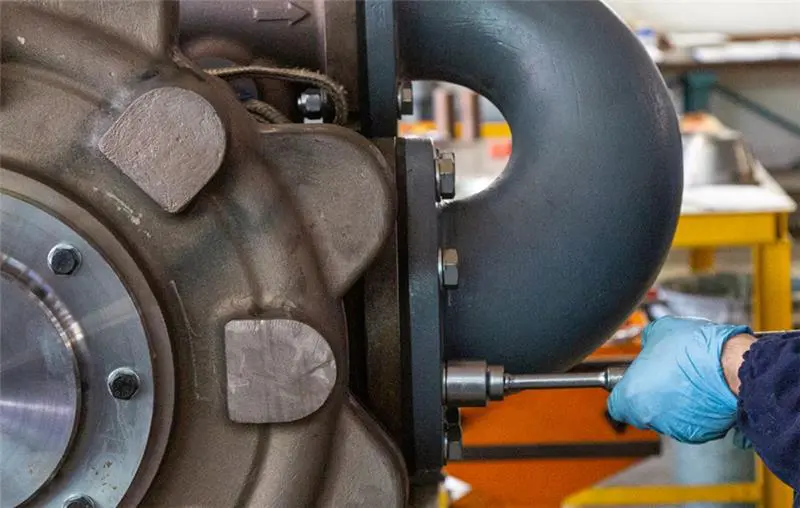
- Perform routine inspections for leaks and pressure loss
- Keep spare hydraulic seals and hoses on-site
- Monitor closing pressure and cycle consistency
Small hydraulic problems tend to escalate quickly, turning minor repairs into full system shutdowns.
3. Damaged or Misaligned Filter Plates
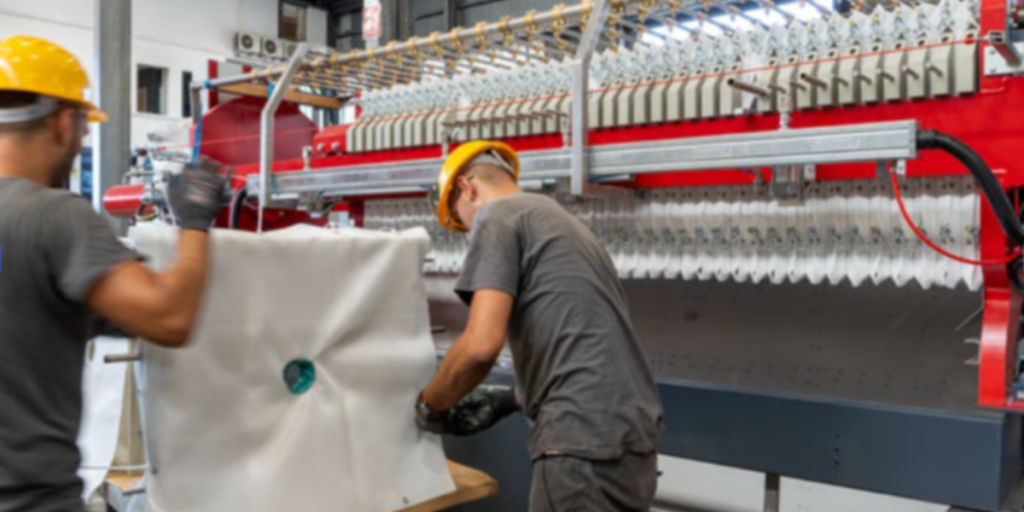
Filter plates experience significant mechanical stress during operation. Even minor plate damage or misalignment can reduce filtration efficiency and accelerate wear across the system. Misalignment typically occurs due to filter cake deposits forming on the plate seal area. This occurs during the filter cake release operation with remnants getting stuck and caught along the seal. During closing, those deposits cause uneven alignment, further exacerbated by spray while pressing.
Common warning signs include:
- Uneven cake formation
- Increased filter cloth wear
- Leaks during the press cycle
How to prevent plate-related failures:
- Inspect plates for cracks, warping, or excessive wear
- Address alignment issues early
- Replace damaged plates before they affect surrounding components
Early plate maintenance helps extend the life of both filter cloths and the filter press frame.
4. Clogged Feed Lines and Sludge Feed Issues
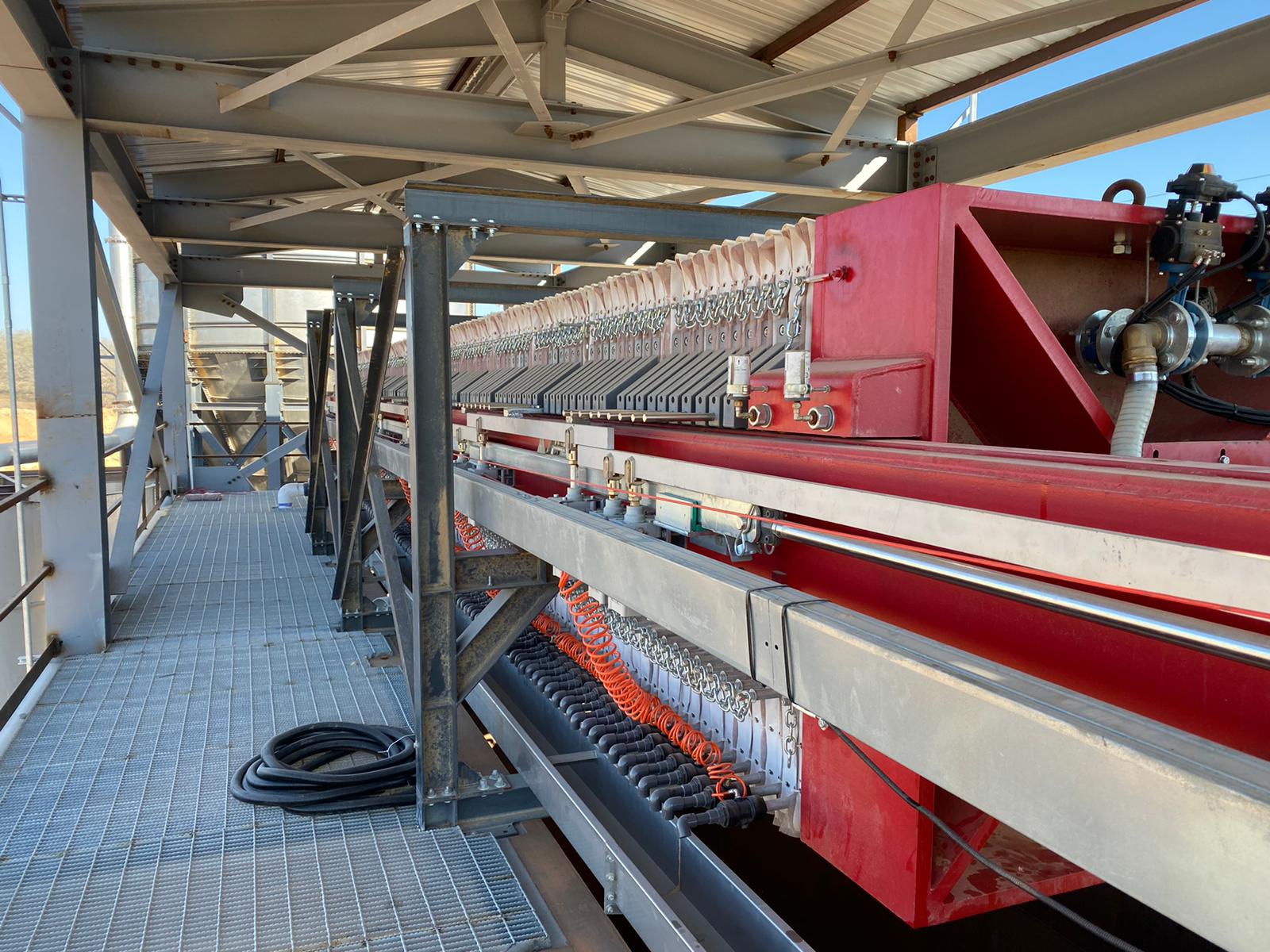
Not all filter press problems originate in the press itself. Feed system issues are often the hidden cause of declining performance and unexpected downtime.
Common feed-related problems include:
- Solids buildup in feed lines
- Inconsistent sludge characteristics
- Improper pump sizing or operation
How to prevent feed system disruptions:
- Regularly flush and inspect feed lines
- Monitor sludge consistency and solids content
- Verify proper pump operation and sizing
- Consider upgrading with a backflush system
When feed issues go unresolved, operators often compensate by pushing the press harder—placing unnecessary stress on plates, cloths, and hydraulics.