Reading Time | 4 Minutes
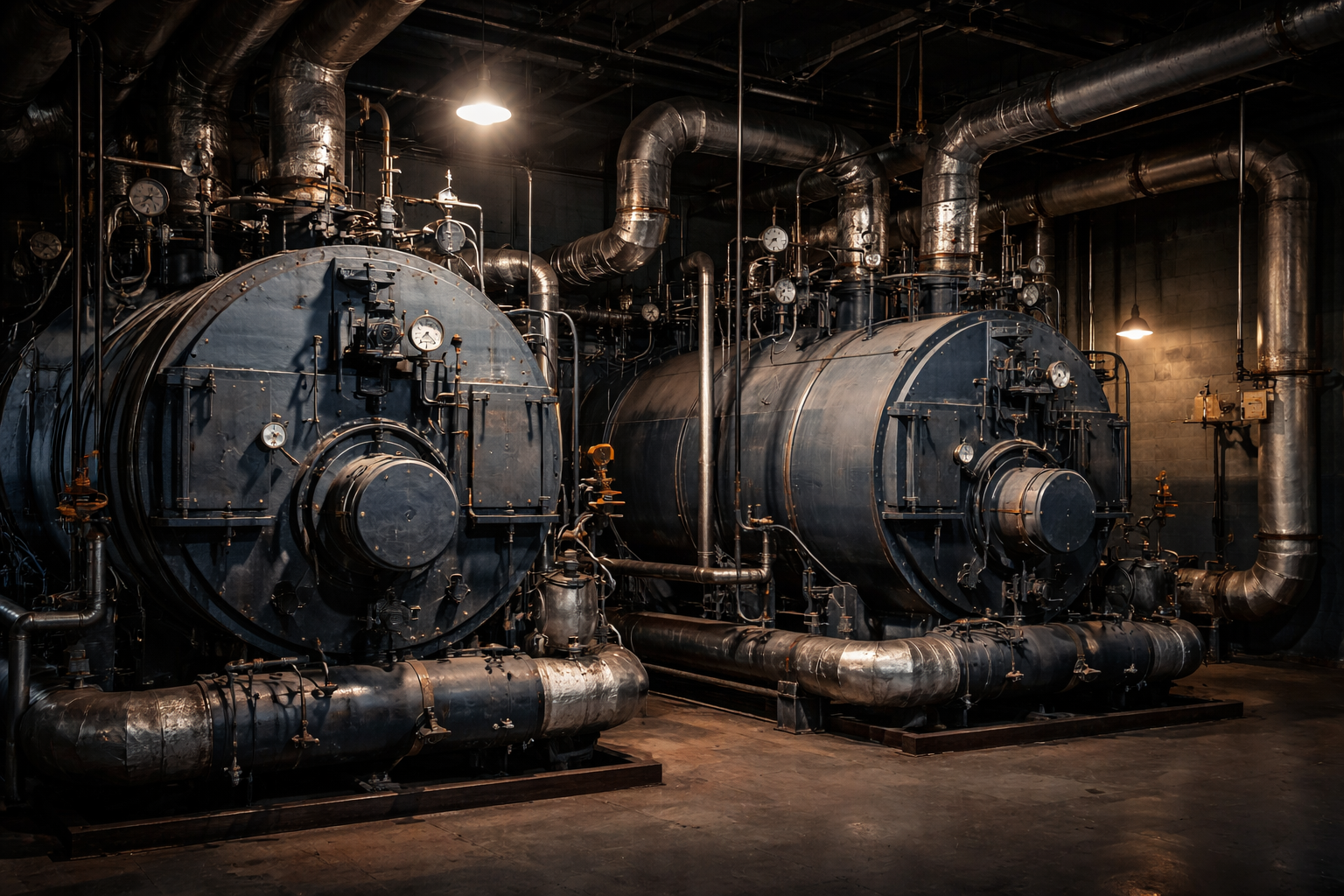
Every spring, boilers go quiet. Heating demand drops, the decision is made to shut down for the season, and someone throws the switch. What happens in the weeks before that moment will determine exactly what your boiler looks like when you fire it back up in October.
Most facilities treat boiler shutdown as a single event. It is not. It is a process. And the single most important part of that process is blowdown — a deliberate, escalated pre-shutdown protocol that most facilities either rush through or skip entirely.
This post covers what proper pre-shutdown blowdown looks like, why it matters more than your layup chemistry, and the specific steps that separate a clean fall startup from an expensive one.
Most facilities treat boiler shutdown as a single event — not the 2-to-3-week process it needs to be. The Pre-Shutdown Blowdown Checklist gives you a week-by-week protocol you can hand to your team and follow to the letter.
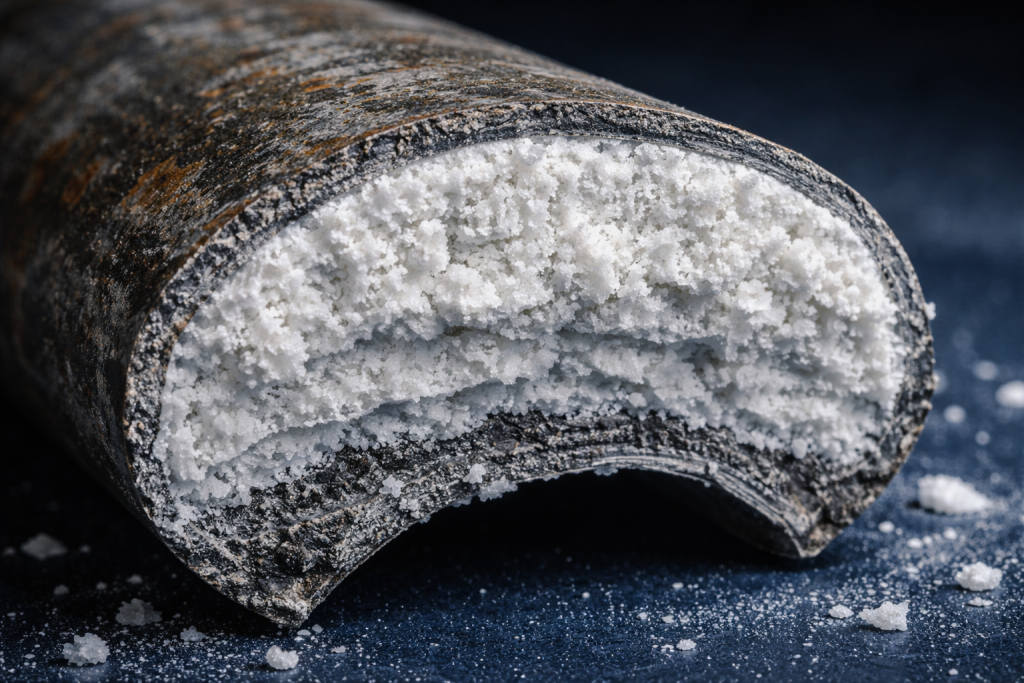
Pre-shutdown boiler blowdown is a 2-to-3-week escalated discharge protocol performed before seasonal boiler layup. Unlike routine blowdown that manages steady-state chemistry, pre-shutdown blowdown strips the system of accumulated solids, scale precursors, and sludge before they have months of idle time to bake onto tube surfaces and accelerate corrosion.
During the operating season, blowdown is a steady, controlled discharge of concentrated boiler water to maintain acceptable chemistry. Pre-shutdown blowdown is a completely different operation. You are not managing steady-state chemistry. You are stripping the system of accumulated solids, scale precursors, and sludge before they have five months of idle time to bake onto tube surfaces and corrode metal.
Field Reality: Scale with a thermal conductivity of just 0.5 BTU/hr-ft-F acts as an insulating blanket on boiler tubes. As little as 1/8 inch of scale can increase fuel consumption by 25%. That buildup is largely preventable with proper pre-shutdown blowdown.
Water cycling through an operating boiler is concentrated. Hardness minerals, silica, iron, and treatment chemical residuals accumulate over the heating season. When you shut down without flushing that water out, you are sealing those concentrated solids into a completely static system with no flow to keep solids suspended and no chemistry replenishment.
Proper boiler water treatment maintenance recognizes blowdown as a two-to-three week protocol leading up to shutdown — not a single step the morning you turn off the system. Compressing it into one day is where the damage starts.
The consequences are deferred, which is exactly what makes them dangerous. The system goes quiet, nobody is monitoring it, and over a spring and summer, chemistry failures compound into structural damage. Here is what typically shows up at fall startup when the spring shutdown was rushed:
| Finding | Root Cause | Typical Repair Cost |
|---|---|---|
| Oxygen pitting on tube surfaces | Inadequate oxygen scavenger at shutdown; no nitrogen blanket | $5,000 to $50,000+ (tube replacement) |
| Scale deposits on tube sheet | High-TDS water left in system; sludge baked on during drain | $2,000 to $15,000 (descaling service) |
| Mud drum sludge buildup | No escalated pre-shutdown blowdown; solids consolidated during idle | $1,500 to $8,000 (cleaning and inspection) |
| Economizer corrosion | Acidic condensate attack during idle; low pH at shutdown | $10,000 to $75,000 |
| Failed gaskets and tube joints | Thermal shock from improper cool-down | $3,000 to $20,000 |
No single number tells the whole story. Iron in range with depleted inhibitor means your system has been corroding slowly. Iron elevated and inhibitor depleted means the system has been corroding fast, for a while. Pair those findings with low pH and elevated biologics and you have a system that needs intervention before it carries full cooling load — not after something fails.
Every finding in that table — oxygen pitting, scale deposits, mud drum sludge, economizer corrosion, failed gaskets — has a corresponding step in the Pre-Shutdown Blowdown Checklist that prevents it.

A practical buyer's guide for evaluating boiler water treatment programs — covering chemistry, service levels, and total cost of ownership before you sign anything.
Fill out the form for instant access.
There are two distinct blowdown points on most steam boilers, and they do different jobs.
| Type | Location | What It Removes | Shutdown Priority |
|---|---|---|---|
| Surface (Skimming) Blowdown | At the waterline | Dissolved solids, foam-causing contaminants, surface oils, high-TDS water | Increase rate 2 weeks before shutdown |
| Bottom Blowdown | At the mud drum / lowest point | Sludge, settled hardness precipitates, iron, suspended solids | Multiple full blowdowns in final 2 weeks; last step before draining |
Common Mistake: Many facilities perform a single bottom blowdown the day before shutdown and consider the job done. One blowdown does not clear accumulated sludge. It takes multiple cycles — each pulling fresh material to the drain point — to meaningfully reduce what remains in the system at layup.
The Pre-Shutdown Blowdown Checklist covers the escalation schedule for both surface and bottom blowdown — week by week, from three weeks out to shutdown day.
Increase sludge conditioner dosage to 1.5 to 2 times your normal operating rate. The goal is to keep settled material mobile and in suspension so it can be removed through blowdown rather than hardening on the tube sheet. Begin increasing bottom blowdown frequency at the same time. If you are on a once-daily schedule, move to twice daily.
Run blowdown at approximately twice your in-season rate. This reduces total dissolved solids concentration going into layup and keeps pulling settled sludge out of the mud drum before it can consolidate. Increase surface blowdown rate as well. You want TDS significantly reduced before the final shutdown.
Increase water testing to daily. Check pH, conductivity, alkalinity, hardness, and your oxygen scavenger residual. An alkalinity that is too low going into wet layup is a corrosion setup. A depleted oxygen scavenger residual means pitting starts the moment the system goes static. Confirm your layup method and make sure materials are on-site before shutdown day.
Perform three to five bottom blowdowns from all available outlets, including headers. Let the system run 20 to 30 minutes between cycles so material can resettle and be available for the next pull. Never use cold water to speed cool-down. Thermal shock causes leaks at tube joints and strains the drum.
Do not drain until the boiler has cooled enough that sludge will not bake onto tube surfaces. If you drain too hot, remaining water flashes off and leaves deposits in a hardened state. After drainage, flush water-side surfaces with a high-pressure hose if accessible. Document the drain water appearance — it tells you a great deal about how your operating season treatment program actually performed.
The Shutdown That Protects What You Have
Every boiler shutdown is either an investment in your equipment or a slow withdrawal from it. The facilities that come back in fall with clean, ready-to-run boilers are not doing anything extraordinary. They are following a disciplined process in April that most facilities skip because there is no immediate visible consequence for skipping it.
The consequence arrives in October.
If your current program does not include a documented pre-shutdown blowdown protocol and hands-on support during the shutdown process, it is worth asking what it does include. Boiler treatment costs are easy to benchmark against chemical spend. Benchmarking them against the cost of one failed startup is a different, more clarifying exercise.
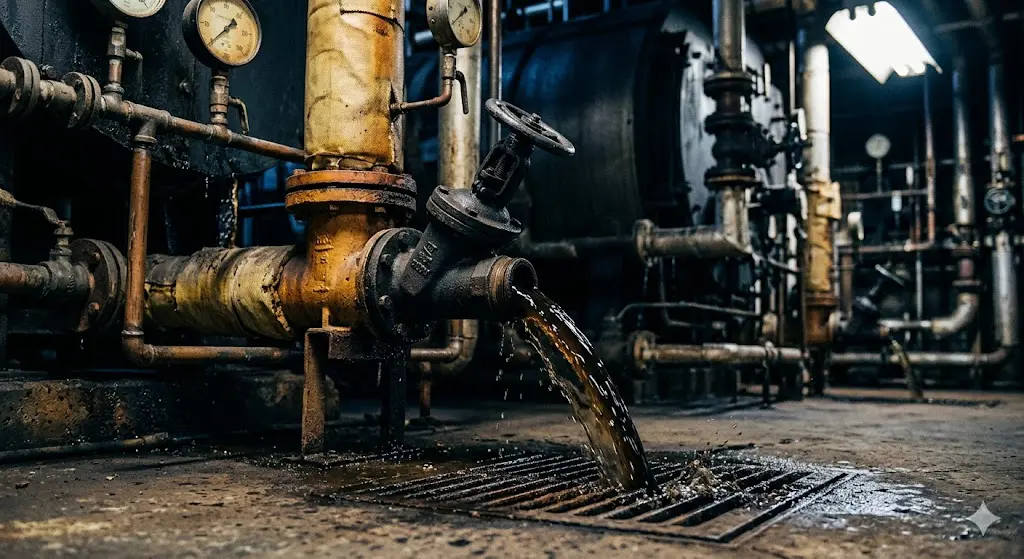
The checklist gives you a step-by-step pre-shutdown blowdown protocol with space to record conductivity, TDS, pH, and oxygen scavenger readings at each stage — so shutdown day has a paper trail, not just a memory.