Optimizing coagulant and polymer dosing can maximize cell removal through the treatment process.
Removing foam and sludge from the surface of the aeration basin can help control foaming organisms.
One consolidated chemical program with local stocking, safe storage guidance, clear SDS/labeling, and proactive inventory thresholds—so you stay compliant and never run short.
Stop fragmented programs. Start end-to-end control. ChemREADY’s Source-to-Discharge™ program unifies monitoring, testing, chemicals, dosing, equipment, and reporting—reducing permit risk and day-to-day operating costs.
Abilene’s industrial sector generates significant wastewater volumes requiring treatment before discharge. Key industries include military operations (dyess air force base), higher education (abilene christian, hardin-simmons, mcmurry), healthcare (hendrick health), oil field services, manufacturing, and wind energy operations, many producing process wastewater containing regulated contaminants — heavy metals, suspended solids, oil and grease, BOD, and pH excursions that exceed both direct discharge and municipal pretreatment limits. The regulatory framework is unforgiving: a single significant exceedance can trigger an enforcement cascade that disrupts operations for months.
All wastewater dischargers in Abilene must comply with TPDES requirements administered by TCEQ Region 3 (Abilene). TCEQ Region 3 is headquartered in Abilene itself, creating an intensely local regulatory environment where TCEQ inspectors are physically close to every permitted facility. Water scarcity is a defining characteristic of the Abilene area — the city has experienced multiple severe droughts and implemented mandatory water restrictions — making water conservation and treatment optimization critical for both economic and environmental reasons. Direct dischargers to surface waters need individual TPDES permits with effluent limits specific to the receiving water body’s assimilative capacity. Indirect dischargers to the municipal POTW must meet pretreatment standards that prevent pass-through of pollutants the POTW isn’t designed to remove. Either path requires engineered treatment, consistent operation, and documented compliance.
TCEQ enforcement for non-compliance is consequential: administrative penalties up to $25,000 per violation per day, mandatory corrective action orders, increased inspection frequency, publication of violations, and criminal referral for willful non-compliance or falsified monitoring data. Beyond regulatory exposure, wastewater upsets can force production shutdowns — you can’t manufacture if you can’t discharge — creating revenue losses that compound on top of the compliance costs. EnviroTech’s wastewater programs keep Abilene facilities in continuous compliance while minimizing total cost of treatment.
EnviroTech’s Abilene service team delivers the full range of wastewater services to commercial and industrial facilities across Taylor County and the surrounding area. Every program is designed by Certified Water Technologists and supported by local technicians who understand Abilene’s specific water chemistry and regulatory requirements.
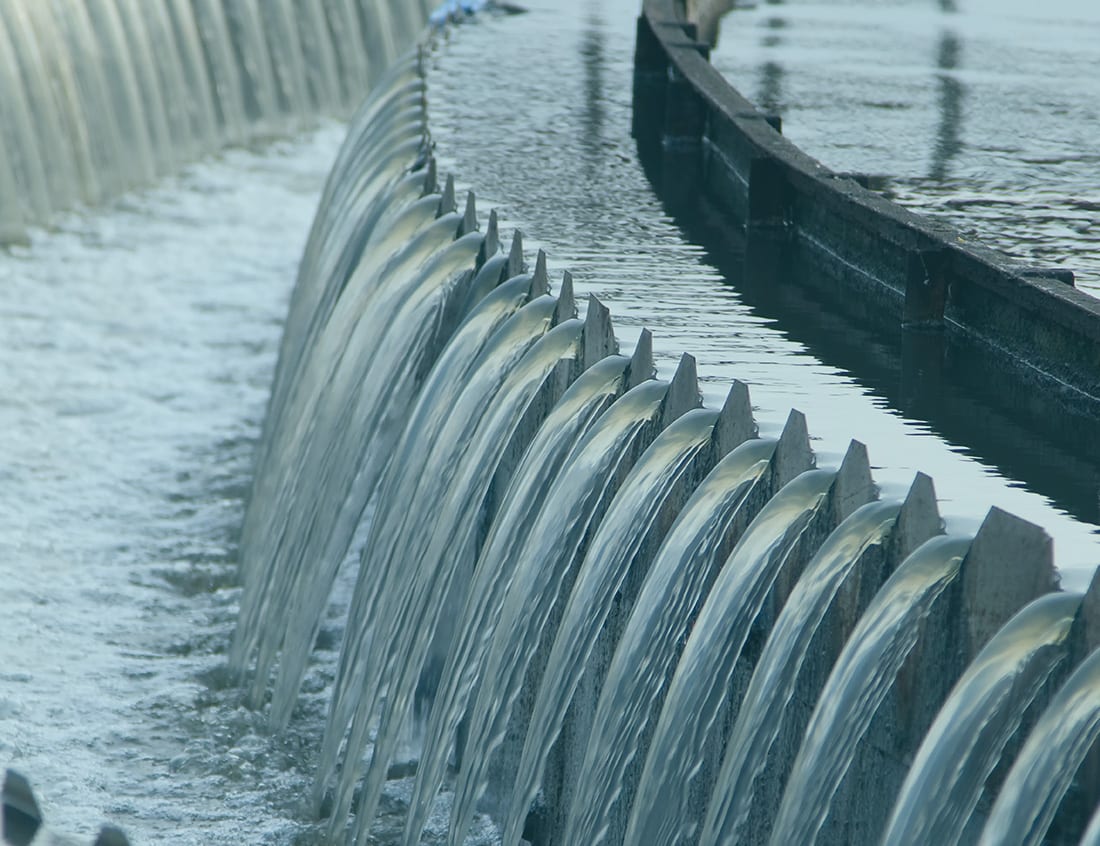
Our wastewater process gets your Abilene facility into compliance and keeps it there:
Q: What are TPDES requirements for Abilene facilities?
Limits depend on discharge type: direct to surface water (individual permit, water-body-specific limits) or to municipal sewer (pretreatment, POTW-established limits). Common parameters: pH 6.0–9.0, TSS, BOD, O&G, and metals limits by industry code. TCEQ Region 3 (Abilene) administers all permits in the Abilene area.
Q: Which TCEQ region covers Abilene wastewater?
TCEQ Region 3 (Abilene). TCEQ Region 3 is headquartered in Abilene itself, creating an intensely local regulatory environment where TCEQ inspectors are physically close to every permitted facility. Water scarcity is a defining characteristic of the Abilene area — the city has experienced multiple severe droughts and implemented mandatory water restrictions — making water conservation and treatment optimization critical for both economic and environmental reasons. EnviroTech maintains direct working relationships with regional compliance staff for permits, inquiries, and enforcement response.
Q: What are the penalties for exceeding discharge limits in Abilene?
TCEQ enforcement escalates: NOVs, administrative penalties up to $25,000/day/violation, mandatory corrective orders, criminal referral for willful violations. POTWs can impose surcharges or revoke discharge authorization. Compliance always costs less than enforcement.
Q: Which Abilene industries need wastewater treatment?
Industries generating regulated wastewater include military operations (dyess air force base), higher education (abilene christian, hardin-simmons, mcmurry), healthcare (hendrick health), oil field services, manufacturing, and wind energy operations. Any facility producing process wastewater, cooling tower blowdown, wash water, or rinse water above discharge limits needs treatment. Free wastewater characterization from EnviroTech.
Q: How much does wastewater treatment cost in Abilene?
Simple pH adjustment: $300–$800/month. Comprehensive metals removal: $2,000–$10,000/month. Costs scale with flow volume and contaminant complexity. Free characterization and scoping from EnviroTech before any commitment.
EnviroTech provides wastewater services throughout Taylor County and surrounding areas. Our Fort Worth service team also serves:
Dyess AFB · Buffalo Gap · Tuscola · Sweetwater · San Angelo · Brownwood · Stephenville · Eastland · Cisco
7620 Flagstone St, Fort Worth, TX 76118, USA
(574) 254-0275
F: 330-425-8202
sales@getchemready.com
