Medical Device Processing: Ensuring Safety Through Effective Cleaning, Disinfection, and Sterilization
August 2, 2023
Nicholas Piskura
Reading Time | 5 Minutes
Medical device processing encompasses the cleaning, disinfection, and sterilization of medical instruments used in patient care. Whether it’s a surgical scalpel or a complex endoscope, each device demands rigorous reprocessing to ensure patient safety and comply with industry standards. Organizations such as the Association for the Advancement of Medical Instrumentation (AAMI) provide clear guidelines—particularly AAMI ST108—to ensure healthcare facilities follow best practices and maintain high levels of infection control.
The Critical Role of Medical Device Processing
Infection prevention is paramount in healthcare, where even minor lapses in reprocessing can lead to hospital-acquired infections (HAIs) or outbreaks. Proper medical device processing:
Prevents Cross-Contamination: Removes microorganisms that could otherwise transfer between patients or from the environment.
Extends Device Lifespan: Minimizes damage and corrosion through suitable cleaning agents and sterilization methods.
Ensures Regulatory Compliance: Adhering to guidelines like AAMI ST108 and other AAMI standards for sterilization helps facilities meet accreditation requirements and avoid legal challenges.
Three Key Steps: Cleaning, Disinfection, and Sterilization
Medical device reprocessing can be broken down into three critical phases, each building on the previous step.
Cleaning
Objective: Remove visible debris, organic matter, and residues.
Method: Usually involves detergents or enzymatic cleaners, mechanical brushing, or automated washer-disinfectors.
Outcome: A residue-free device that is ready for further microbial reduction processes.
Disinfection
Objective: Eliminate the majority of microorganisms, except for high levels of bacterial spores.
Method: Achieved through chemical disinfectants or heat-based systems.
Outcome: A device safe for contact with intact skin or non-critical body sites.
Sterilization
Objective: Completely destroy or inactivate all forms of microbial life, including spores.
Method: Various techniques such as steam sterilization (autoclaving), ethylene oxide (EtO), or hydrogen peroxide plasma, depending on the device’s material and heat tolerance.
Outcome: A device that can be safely used in critical or invasive procedures without risking infection.
Is Your Facility Fully Aligned with AAMI ST108 Water Requirements?
Water quality plays a critical role in compliant medical device reprocessing. ChemREADY helps healthcare facilities assess water systems, treatment programs, and documentation practices to support AAMI standards.
AAMI ST108 is part of a broader set of guidelines and standards dedicated to medical device reprocessing, focusing on comprehensive requirements for sterilization and water quality. Facilities relying on these standards benefit from:
Clear Definitions and Protocols: Detailed procedures on how each device category should be cleaned, disinfected, or sterilized.
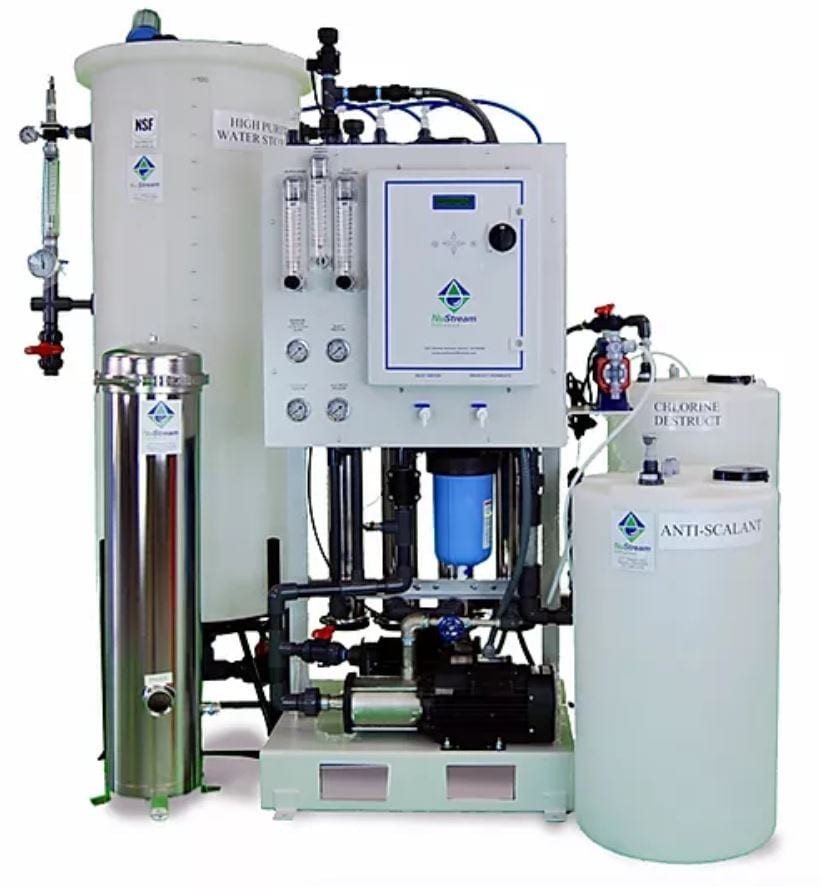
Water Quality Specifications: Emphasizes the importance of AAMI grade water—low in dissolved solids and free of harmful microbes—to prevent device damage or contamination.
Documentation and Traceability: Mandates record-keeping for each sterilization cycle, including logs of water quality tests, sterilizer performance checks, and staff training.
Continuous Improvement: Encourages routine audits and updates as new reprocessing technologies and methods emerge.
Importance of Water Management in Device Processing
Water quality is a significant factor in preventing biofilm formation and microbial contamination. Whether a facility uses a centralized system or point-of-use filtration, ensuring consistent water treatment is crucial:
Proper pH Balance: Avoids corrosion or residue buildup on medical devices.
Filtration & Deaeration: Removes suspended solids and dissolved gases that can harbor microorganisms.
Disinfection Residuals: Maintaining an appropriate level of chlorination or other disinfectants to keep supply lines free of pathogens.
Some healthcare facilities also integrate advanced water monitoring controllers—like ChemREADY’s Intuition series—to automate chemical dosing and track water quality parameters in real time.
Struggling to Maintain Consistent Water Quality for Reprocessing?
From filtration and disinfection control to real-time monitoring, ChemREADY supports healthcare facilities with water treatment solutions designed for medical device processing environments.
Assess potential risk areas, especially in large or complex plumbing systems.
Schedule regular testing for Legionella, total dissolved solids (TDS), and microbial content.
Train Personnel Thoroughly:
Educate staff on the latest reprocessing techniques and AAMI standards.
Establish clear protocols for cleaning, disinfection, and sterilization steps.
Maintain Equipment Diligently:
Follow manufacturer instructions for washers, autoclaves, and automated endoscope reprocessors (AERs).
Keep up with routine maintenance and calibrations.
Document Everything:
Track each device’s reprocessing steps.
Record water quality metrics, sterilizer performance, and any deviations from standard procedures.
Work with Experts:
Consult water treatment specialists to ensure your facility’s water supply meets AAMI and other regulatory guidelines.
Regularly review and update your processes in line with technological advancements.
Conclusion
Medical device processing stands at the forefront of patient safety, requiring meticulous attention to cleaning, disinfection, and sterilization. Guidance from AAMI ST108 and other related standards provides a robust framework for achieving consistent, high-quality reprocessing outcomes. From water quality management to rigorous documentation, each element plays a critical role in reducing the risk of infection and ensuring devices are safe for patient use.
For healthcare facilities aiming to optimize their device processing, the path forward involves not just adhering to industry standards but embracing continuous improvement—upgrading equipment, refining staff training, and maintaining reliable water treatment solutions. It’s a dynamic, ever-evolving practice, but one that’s essential for the well-being of patients and the trust they place in the healthcare system.
Strengthen Medical Device Processing with a Smarter Water Strategy
ChemREADY partners with healthcare facilities to improve water quality, reduce biofilm risk, and support safe, compliant cleaning, disinfection, and sterilization practices.