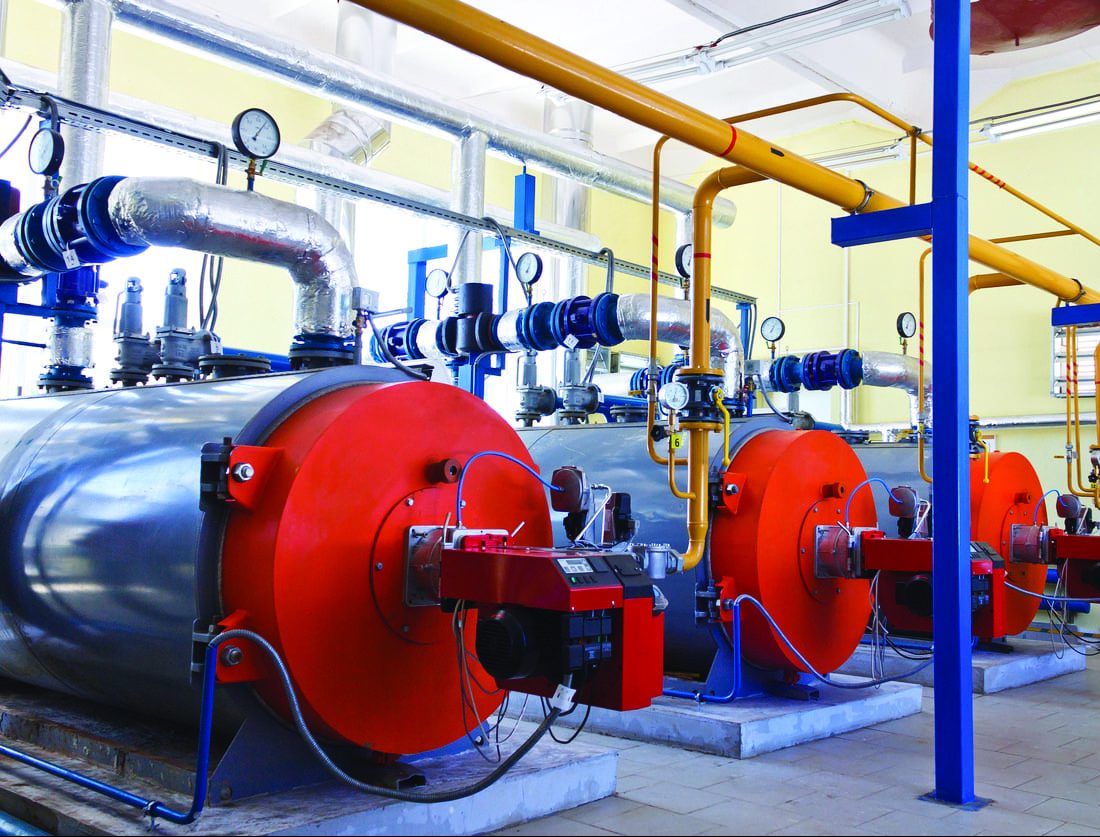
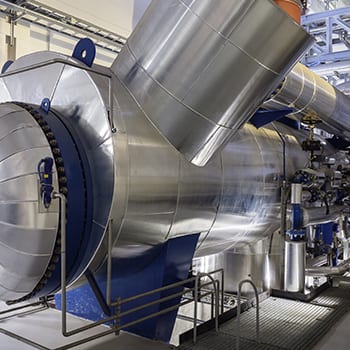
Industry boiler gas burner

How Often Should a Boiler Be Flushed

Reading Time | 5 Minutes

Why Flushing Your Boiler Matters

Flushing a boiler removes built-up sediment, minerals, and other debris that can diminish efficiency and shorten your boiler’s lifespan. Over time, contaminants in the water cause scale and blockages, which reduce heat transfer, increase energy costs, and potentially lead to system breakdowns.

How Often Should a Boiler Be Flushed?

Flushing frequency depends on several factors:

  1. Type of Boiler
    • Steam Boilers: Generally need flushing every six to nine months because steam boilers accumulate sediment and minerals more quickly.
    • Hot Water Boilers: Typically flushed once a year, unless other factors (like poor water quality) necessitate more frequent flushing.
  2. Water Quality
    • Hard Water Areas: If your water source has a high mineral content, you may need to flush your boiler every three to six months. Hard water accelerates scale buildup.
  3. Usage Patterns
    • Heavy Boiler Use: The harder and more often you run your boiler, the faster it will accumulate debris, requiring more frequent flushes.
      Signs Your Boiler Needs Flushing

If you notice any of these symptoms, it may be time to flush your boiler:

  • Reduced Efficiency: A decline in heating performance or higher energy bills can signal sediment buildup.
  • Strange Noises: Banging, gurgling, or whistling sounds often indicate blockages or scale.
  • Cold Spots on Radiators: If some radiators heat unevenly, sediment may be restricting water flow.

Not Sure If Your Boiler Needs Flushing?

Sediment buildup isn’t always obvious until efficiency drops or noises start. A quick system check can help determine whether flushing or additional water treatment is needed to protect your boiler.

Boiler Treatment Chemicals

How to Flush Your Boiler: A General Overview

If you’re comfortable with basic home maintenance, you can flush your boiler yourself. However, always refer to your manufacturer’s instructions or consult a professional if you’re unsure.

  1. Turn Off & Cool Down
    • Switch off the boiler and allow it to cool completely to avoid burns or damage.
  2. Drain the System
    • Locate the drain valve and connect a hose.
    • Open the valve, allowing the water (and any sediment) to empty into a bucket or drain.
  3. Inspect Sediment
    • Once drained, close the valve and refill the boiler with fresh water.
    • Run the boiler briefly, then drain again, checking the discharged water for signs of debris.
  4. Repeat if Necessary
    • Continue flushing until the water runs clear and free of sediment.
    • Finally, close the drain valve and refill the boiler to the proper level.
  5. Restart the Boiler
    • Turn the system back on and monitor it to ensure proper function and no leaks.

Tips for a Successful Boiler Flush

  • Flush at Least Once a Year: If you have hard water or heavy usage, increase the frequency.
  • Use the Right Equipment: A garden hose or built-in flush valve can create the necessary water flow to remove debris.
  • Avoid Overfilling: Follow manufacturer guidelines to prevent damaging the system.
  • Consider Professional Help: If you’re uncomfortable or notice persistent issues, hire a qualified heating technician.

Benefits of Regular Boiler Flushing

  • Extended Lifespan: Removing debris reduces wear and tear, meaning your boiler can run smoothly for more years.
  • Improved Efficiency: A clean system transfers heat more effectively, lowering energy bills.
  • Fewer Breakdowns: Addressing sediment accumulation helps prevent costly repairs or emergency service calls.
  • Enhanced Safety: Keeping the boiler clear of blockages reduces pressure buildup and other potential hazards.

Reduce Scale and Improve Boiler Efficiency

Regular flushing works best when paired with proper water chemistry. ChemREADY helps facilities manage hardness, alkalinity, and scale control to reduce flushing frequency and extend boiler life.

Knowing how often to flush a boiler is a key part of efficient system maintenance. Whether it’s every six months for a steam boiler or once a year for a hot water unit, consistent flushing prevents scale buildup, improves heating performance, and saves you money in the long run. If you’re not sure how to flush your boiler correctly—or prefer expert assistance—consult a professional technician to handle the task safely and thoroughly.

FAQs: Boiler Flushing and Maintenance

How often should I flush my boiler?

Steam boilers should typically be flushed every 6 to 9 months, while hot water boilers can usually be flushed once a year. However, if you have hard water or heavy boiler usage, more frequent flushing may be needed.

What are the signs that my boiler needs to be flushed?

You may need to flush your boiler if you notice:

  • Reduced heating efficiency
  • Unusual noises like banging or gurgling
  • Cold spots on radiators due to restricted water flow

Why is boiler flushing important?

Flushing removes sediment, scale, and mineral buildup that can reduce heat transfer, increase energy costs, and cause long-term damage. It improves efficiency, extends the system’s lifespan, and helps prevent breakdowns.

Can I flush my boiler myself?

Yes, if you’re familiar with basic maintenance tasks, you can flush your boiler yourself. Always refer to the manufacturer’s instructions. If you’re unsure or uncomfortable, it’s best to hire a qualified technician.

Does hard water affect how often I need to flush my boiler?

Yes. Hard water contains high mineral content that accelerates scale buildup. If you’re in a hard water area, consider flushing your boiler every 3 to 6 months to maintain performance and reduce damage.

What happens if I don’t flush my boiler?

Failure to flush your boiler regularly can lead to clogged pipes, overheating, reduced efficiency, increased fuel bills, and eventually costly repairs or system failure.

Is it better to flush a boiler before or after winter?

Flushing before winter ensures your heating system is clean and ready for high-demand use. However, flushing after winter helps remove debris accumulated during heavy use. Some homeowners do both for optimal performance.
Need Help Maintaining Your Boiler System?

From flushing guidance to full boiler water treatment programs, ChemREADY supports safe, efficient, and reliable boiler operation across industrial and commercial systems.

We're Here To Help

Neutralizing Amine Treatments for Boilers

Boiler Water Treatment

dewatering filter press

Closed Loop Treatment

Matec Concrete Washout Recycling

Water Cleaning Services

Connect With ChemREADY

Let's Have A Chat