Boiler Descale Scale Inhibitor

What are Corrosion Inhibitors in Water Treatment

Reading Time | 5 Minutes

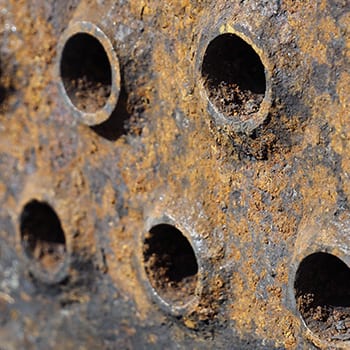
Corrosion is the gradual destruction of a metal by chemical or electrochemical reaction with its environment. In water treatment, corrosion can be a major problem, as it can damage pipes, valves, and other equipment. Corrosion inhibitors are chemicals that can be added to water to slow down or prevent corrosion.  However, chemical corrosion inhibitors do not eliminate corrosion, they only delay its progression.

There are a number of different types of corrosion inhibitors, but they all work by one of two basic mechanisms:

  • Anodic inhibitors form a protective layer on the surface of the metal, which prevents the metal from coming into contact with the water.
  • Cathodic inhibitors react with the water to form a protective layer of gas or another substance, which prevents the water from reacting with the metal.

Are Corrosion Inhibitors Enough for Your System?

Not all corrosion problems can be solved with chemistry alone. ChemREADY helps evaluate metallurgy, water chemistry, and operating conditions to determine the right protection strategy.

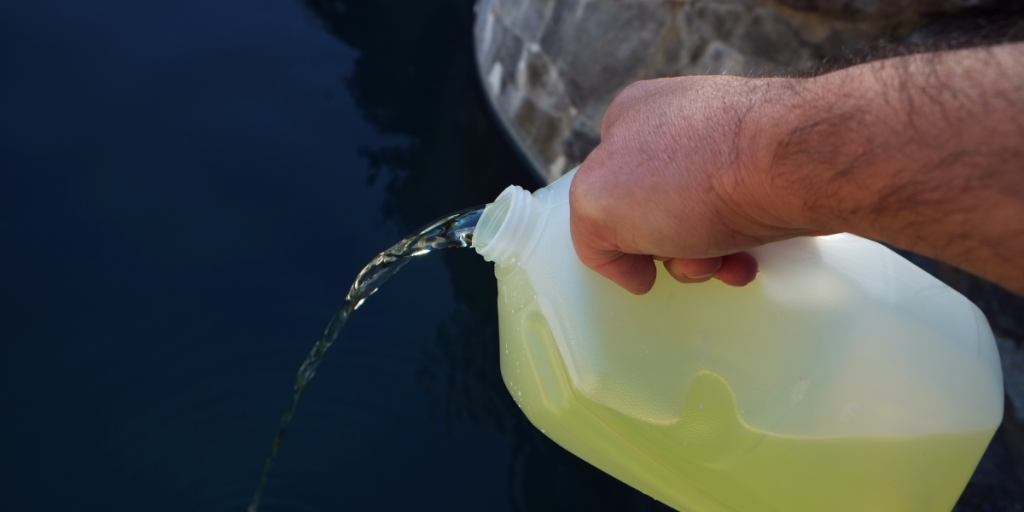
The effectiveness depends on a number of factors, including the type of metal, the concentration of the inhibitor, and the temperature and pH of the water. In general, they are more effective in preventing corrosion at lower temperatures and higher pH levels.

Corrosion inhibitors are used in a variety of water treatment applications, including:

  • Potable water treatment to prevent corrosion of pipes and other equipment in water distribution systems.
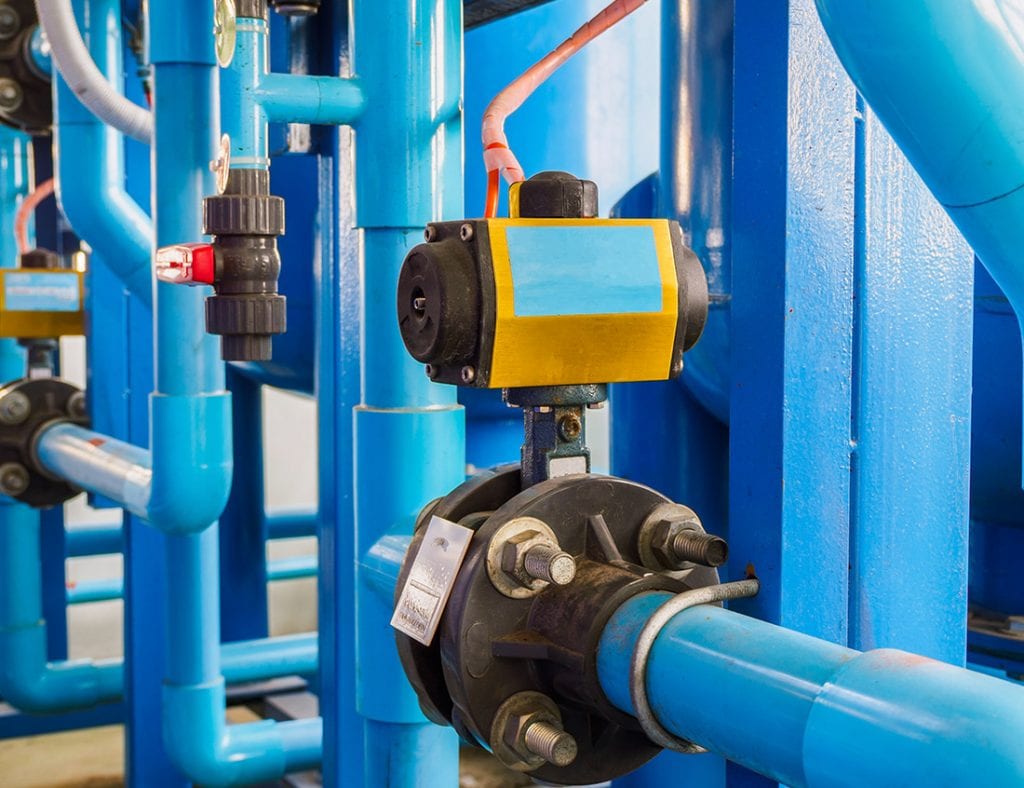
  • Industrial water treatment to prevent corrosion of pipes, valves, and other equipment in industrial processes.
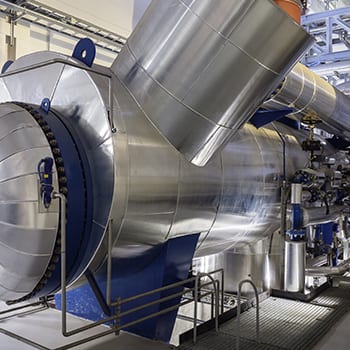
  • Cooling water treatment to prevent corrosion of heat exchangers and other equipment in cooling systems.

The use of inhibitors can help to extend the life of water treatment equipment and prevent costly repairs. They are a valuable tool for protecting water treatment systems from corrosion.

Control Corrosion Without Overfeeding Chemicals

Proper inhibitor selection and dosing can extend equipment life without unnecessary cost or environmental impact. ChemREADY helps balance protection, performance, and compliance.


Here are some additional benefits:

  • They can help to improve the efficiency of water treatment systems.
  • They can help to reduce the amount of maintenance required for water treatment systems.
  • They can help to protect the environment by reducing the amount of metal that is released into the water.

Here are some of the limitations:

  • They can be expensive.
  • They can have a negative impact on the taste and odor of water.
  • They can be harmful to aquatic life.

Overall, corrosion inhibitors are a valuable tool for protecting water treatment systems from corrosion. They can help to extend the life of equipment, improve the efficiency of water treatment systems, and reduce the amount of maintenance required. However, it is important to weigh the benefits and limitations of corrosion inhibitors before deciding whether to use them.

Protect Your Water Treatment Assets Long-Term

From potable systems to cooling and industrial loops, ChemREADY designs corrosion control programs that reduce failures, maintenance, and unplanned downtime.


We're Here To Help

Neutralizing Amine Treatments for Boilers

Boiler Water Treatment

closed cooling water system

Closed Loop Treatment

Water Cleaning Services

Connect With ChemREADY

Let's Have A Chat