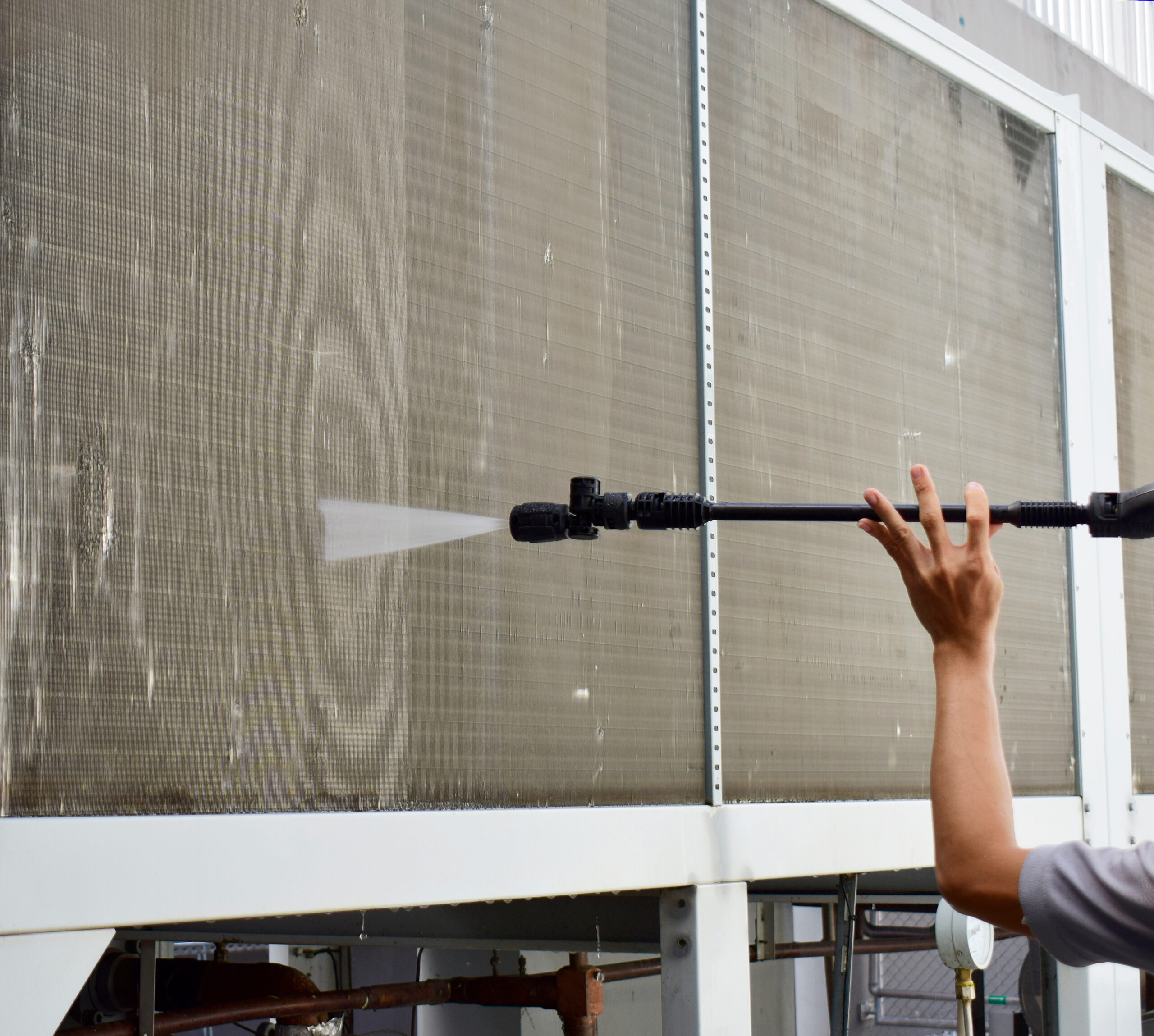
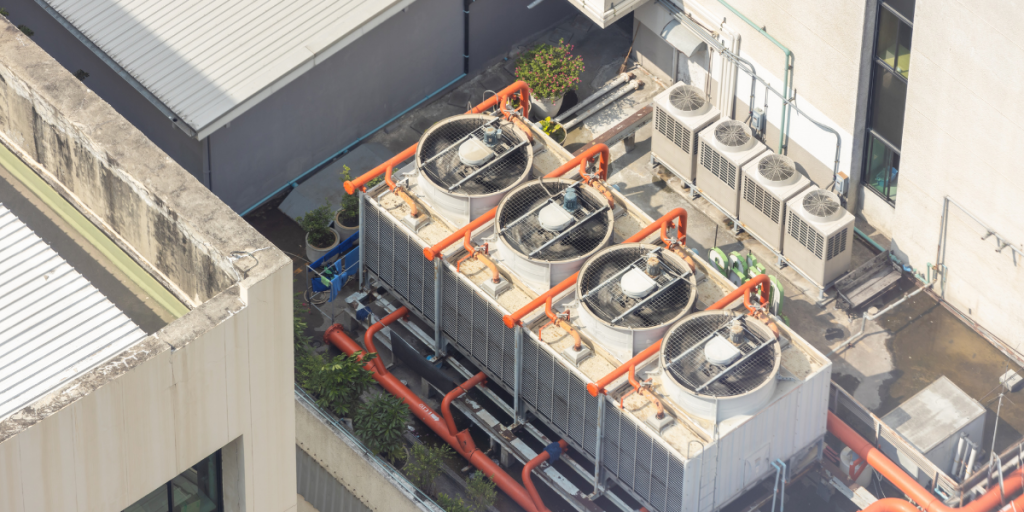
Cooling towers are essential components in various industrial processes, including air conditioning and power generation. They work by circulating water through the tower to dissipate heat from the process. The water used in cooling towers is recirculated, leading to the build-up of impurities over time, making it necessary to treat the water. The aim of water treatment in cooling towers is to control the growth of microorganisms, prevent corrosion, and maintain the overall water quality. One of the methods for water treatment is the use of fluorescence. Fluorescence is a property of some materials to emit light at a longer wavelength when excited by light of a shorter wavelength. This property is used to detect tagged polymers, which are used to control the formation of scale and fouling in cooling tower water systems.
Not Sure If Your Polymer Is Properly Dosed?
Fluorescent tagged polymers give you real-time confirmation and better control over scale and fouling.
There are a number of things you can do to prevent corrosion in your water systems:
Choose the right materials. Not all materials are created equal when it comes to corrosion resistance. For example, copper and stainless steel are much more resistant to corrosion than iron or galvanized steel. When possible, choose materials that are known for their corrosion resistance for your water systems.
Maintain a proper pH level. The pH level of water is a measure of its acidity or alkalinity. A neutral pH level is 7, while a pH level below 7 is acidic and a pH level above 7 is alkaline. The ideal pH level for water systems is between 6.5 and 8.5. If the pH level is too low or too high, it can increase the risk of corrosion.
Add corrosion inhibitors. Corrosion inhibitors are chemicals that can be added to water to help protect against corrosion. There are a variety of different corrosion inhibitors available, so you can choose one that is specifically designed for your water system.
Flush your pipes regularly. Flushing your pipes helps to remove any sediment or other debris that can build up and cause corrosion. You should flush your pipes at least once a year, but more often if you live in an area with hard water.
Inspect your pipes regularly. Inspect your pipes for signs of corrosion, such as leaks, rust, or discolored water. If you see any signs of corrosion, it is important to have the problem repaired as soon as possible to prevent further damage.
Improve Cooling Tower Performance with Smarter Monitoring
Accurate polymer tracking helps prevent scale, corrosion, and biological growth before they become costly problems.
What Are The Advantages of Fluorescence for the Detection of Tagged Polymers
There are several advantages to using fluorescence for the detection of tagged polymers in cooling tower water.
Rapid Results: Fluorescence measurements provide rapid results, making it possible to quickly determine the concentration of the tagged polymers in the water. This is important for ensuring that the polymers are properly dosed and that the water quality is being maintained.
Non-Destructive: Fluorescence measurements are non-destructive, meaning that they do not alter the water sample in any way. This allows for repeated measurements to be taken to monitor the polymer concentration over time.
Easy to Use: Fluorescence measurements are simple to perform and require minimal sample preparation. This makes it possible to perform the measurements in the field, reducing the need for laboratory analysis.
Cost-Effective: Fluorescence measurements are cost-effective, especially when compared to other methods of polymer concentration analysis. The cost of the equipment and reagents is relatively low, making fluorescence an attractive option for water treatment monitoring.
Where to Turn for Professional Cooling Tower Treatment and Advice
In conclusion, the use of fluorescence in the detection of tagged polymers in cooling tower water is a valuable tool for ensuring the proper functioning of these systems. The rapid, non-destructive, easy-to-use, and cost-effective nature of fluorescence measurements make it a useful method for monitoring the concentration of tagged polymers in water treatment systems. The ability to accurately measure the polymer concentration ensures that the water quality is maintained, preventing the formation of scale and fouling, and controlling the growth of microorganisms and corrosion. In summary, the use of fluorescence in water treatment provides a quick, reliable, and cost-effective method for maintaining the health of cooling tower systems.
Talk to our experts at ChemREADY to ask us about risk assessments for your facility and available products suited and scaled for your water systems. We can help reduce the risk of corrosion to avoid the consequences of damaged cooling towers. Call ChemREADY today.
Ready to Upgrade Your Cooling Tower Treatment Program?
Let ChemREADY evaluate your system and recommend tagged polymer solutions built for your water chemistry.