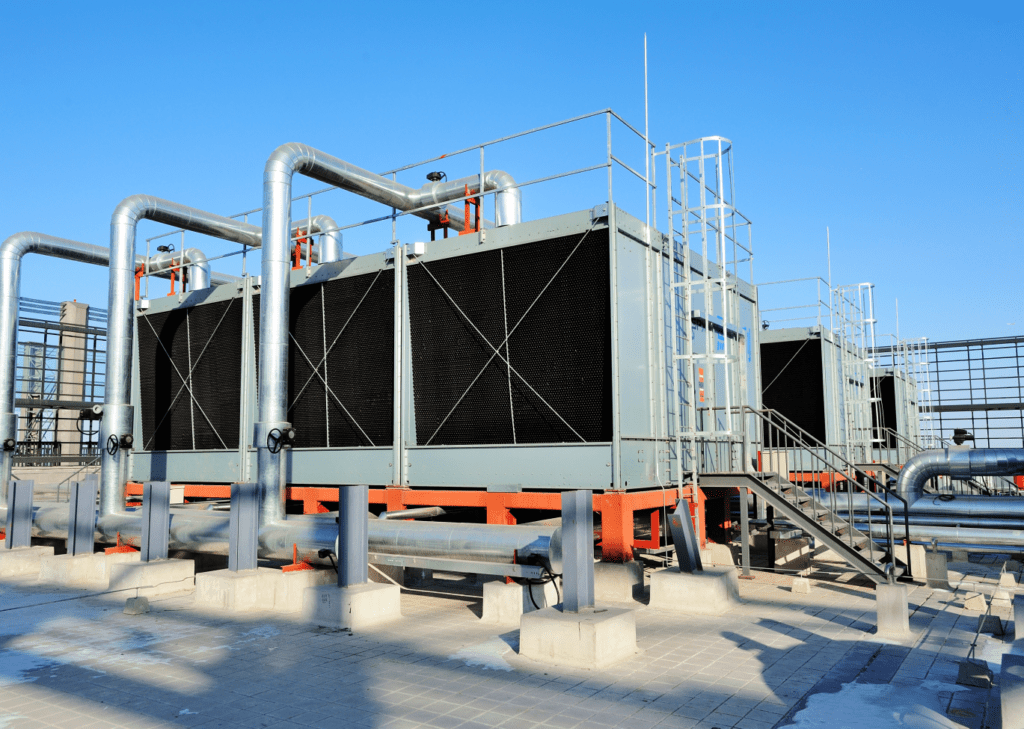
Reading Time | 5 Minutes
Spring and fall are times for normal cooling tower maintenance, as staff performs their normal shut-down-startup routines. While there’s typically a lot of focus on the equipment procedures, proper water handling needs to be considered as well to avoid not only corrosion but bacterial growth. Here are common best practices to follow during seasonal maintenance.
When temperatures fall and you no longer need your cooling system, it is time to shut down the cooling tower. Leaving untreated water in the cooling system will allow bacteria like Legionella to grow unchecked and corrode critical components, endangering workers and the public and possibly damaging your cooling tower, chillers (if used), heat exchangers and other equipment. This can cause prolonged downtime, affect cooling tower efficiency and increase costs, in addition to creating potential health and safety issues.
Keep in mind, for the purposes of this blog, it is not possible to cover every detail, but you will find important maintenance tips for shutdowns and startups. Most important, be sure and check your cooling tower manufacturer’s operation and maintenance guide for specific instructions unique to your cooling tower and cooling system setup.
Anything in excess of three days is considered an extended shutdown. Follow the guidelines below to help protect your cooling system throughout the winter season. This will help ensure an error-free startup when warmer weather returns.
Don’t leave corrosion or bacteria to chance. Let ChemREADY review your cooling tower water treatment plan before seasonal changes hit.
A few days before you shut down the cooling tower, it is recommended that you rid the system of any solid material by dialing up the system bleed-off. Refer to your maintenance manual for specifics. As the shutdown date approaches, approximately one day in advance, add extra biocide to the system (nonoxidizing biocide, if available) and let it circulate in the system for several hours. This will help sanitize the cooling tower system and eliminate biofilm. Check the manual from your manufacturer for the more details about this procedure. ChemREADY has a complete line of Kool Tower scale and corrosion inhibitors that you can check out here. If you have any questions biocides, contact our experts at ChemREADY.
If your unit sits on vibration isolators or isolation rails, reference the specific manufacturer’s operation and maintenance guide before loading or unloading weight from the unit, Uninstall and perform a tag-out on all pumps and fans and shut off the valve in the makeup water line.
To prevent bacterial overgrowth, be sure to drain the entire cooling system at its lowest point, including the chiller, if installed. Remove dirt, trash, leaves and any other foreign materials from inside and outside of the unit. Don’t forget to check the louvers or inlet shields.
Everything facility managers need to compare programs, avoid common pitfalls, and choose the right treatment partner.
Fill out the form for instant access.
Clean the distribution deck, drain and wash the tower and the tower fill and sump. Uninstall the tower conductivity probe and turn off the tower controller, but do not disconnect it from power. Clean and flush the cold-water basin. Make sure the cold-water basin remains open so that precipitation will continue to drain from the tower. Disconnect and clean the strainers, and then reinstall them. Place a cover over the fan discharge unit to keep out dirt and debris Check any nozzles for clogs and remove them if found.
Lube the motor base adjustment screw and fan shaft bearings. Apply a coat of rust preventative to stop corrosion of shafts. In addition, inspect and repaint any scratched or peeling finish to further protect equipment for rust and corrosion. See your manufacturer’s maintenance guide for finishing specs. Be sure and lock the fan motor starter in the “off” position to prevent accidental startups. We recommend that you add an anticorrosion product to the system to protect components during the shutdown.
If your system has a chiller installed, open the end bells and brush the condenser tubes to ensure that no water sits in the chiller and becomes stagnant, which can lead to bacteria growth. Chemically clean the chillers, if necessary, and leave the end bells uninstalled during the duration of the shutdown period. Inspect the heat exchange surfaces, clean, if necessary, and drain and leave them open for the winter.
If you see white scale or corrosion, we recommend contacting the experts at ChemReady, and we will assess your system and change your chemical treatment plan to prevent future problems.
Extended shutdowns increase the risk of biofilm, corrosion, and Legionella growth. Get expert guidance on proper biocide treatment and system preparation.
When the weather warms, it is time to restart your cooling tower system. The startup process includes three main steps: Cleaning, inspection and startup.
Leaving the strainer in place, flush and drain the cold-water basin to remove any debris or dirt. Then, clean and visually inspect the fan deck, clean the fan guards and check the spray nozzles for clogs. Inset the fan for damage and check the fan blade tips for proper clearance to avoid potential damage upon startup. Do a thorough check of the fan and the fan motor. If you properly lubricated the components, these should be in good shape.
Check all equipment for leaks, rust, corrosion or damage, and check for damage to the unit structure itself, including mechanical parts. Look closely at pipe connections to make sure there is no damage or leaks. Before starting the motor, be sure and use an insulation tester to check the integrity of the engine’s insulation. Inspect the belt tension, and make sure the gear drive oil level is to spec. Make sure the makeup valve is operating freely. Relubricate the engine base adjustment screw and fan shaft bearings.
Apply a rust inhibitor to the steel shafts. Then, use the make-up valve to fill the cold-water basin up to the overflow level with fresh water. Adjust the make-up valve float to ensure that it shuts off water inflow when the level reaches proper operating level.
If applicable for your system, check the drain plug. During the first day after startup, monitor the water level and adjust as required. Adjust flow balancing valves for the top inlets. If you system is configured with multiple cells, make sure the water levels are evenly distributed across all cells. Adjust the tower bleed line valve until the bleed rate is optimized. Inspect all nozzles.
Everything facility managers need to compare programs, avoid common pitfalls, and choose the right treatment partner.
Fill out the form for instant access.
Before starting the fan, treat with a biocide at a level and for a period recommended by the biocide supplier, or contact ChemReady for recommendations.
Check and adjust the water’s pH and adjust if necessary (check the manufacturer’s guidelines) by treating with sodium hydrocholorite for 6 hours to achieve the proper chlorine concentration. You can use a commercially available test kit to measure free chlorine.
Do not start the fan until the chlorine treatment is completed. Power up the fan motor and check the direction of the fan’s rotation, and make sure it is turning in the proper direction, as shown by the arrow on the cowl (if your unit has a gear drive system, consult the manufacturer’s guidelines).
Temporarily operate the fan manually and note any tell-tale noises or vibrations.
After startup, make sure the voltage and current do not exceed the specifications on the motor’s nameplate.
Remember, this list is not all-inclusive, and you should consult the manufacturer’s operation and maintenance manual for your specific unit.
For advice and consultation on the proper chemicals to use during your cooling tower shutdown, contact the experts at ChemREADY and let us help. We will assess your needs and provide the best advice for keeping your cooling tower ecosystem free from stagnation, corrosion and bacterial contamination. Our complete line of Kool Tower scale and corrosion inhibitor products are a great choice for protecting your cooling tower system.
From biocides to corrosion inhibitors, ChemREADY provides the right chemicals and expertise to keep your cooling tower protected year-round.
Book a 30-minute conversation directly. We'll discuss your water treatment situation and whether working together makes sense.
Book a 30-minute call →Take a look at our water treatment services first. See where you stand across chemical programs, system performance, and municipal compliance — then decide if a conversation makes sense.
Find out what a buyer would see →Browse everything we do in water treatment — chemicals, equipment, and services — at your own pace, no conversation required.
Explore our water treatment solutions →We work with advisors who encounter infrastructure gaps in municipal water and drinking water client businesses. If you're looking for a referral partner for pre-sale readiness work, let's talk.
Learn about our partner program →