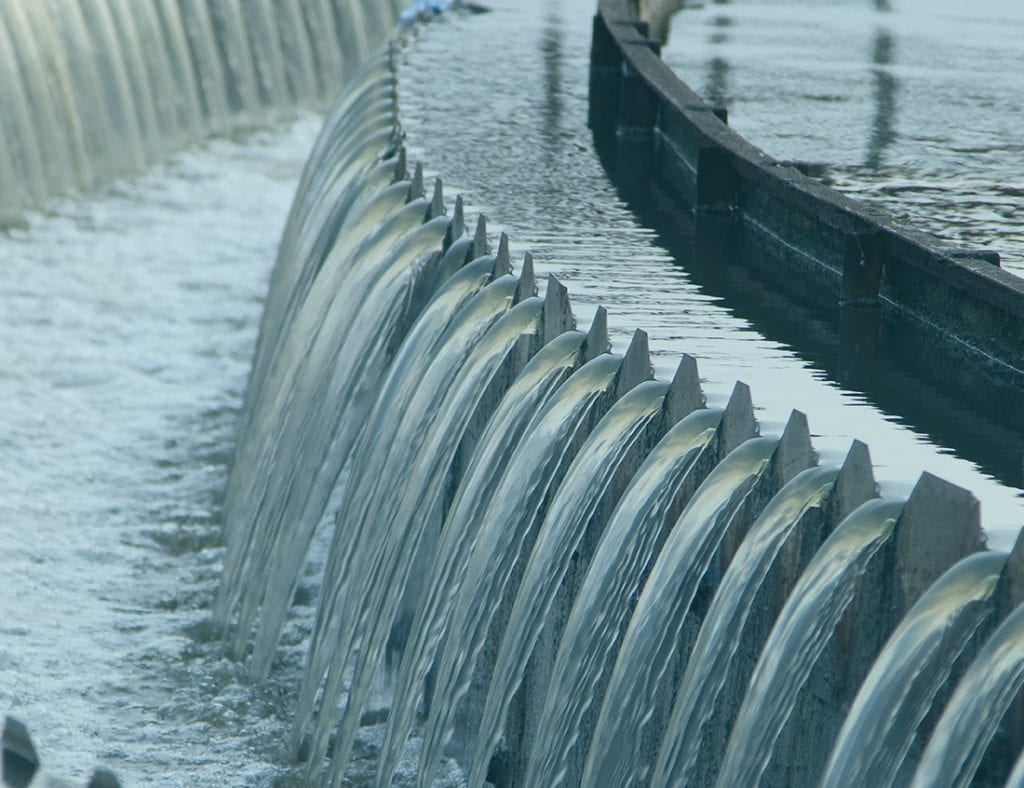
Azoles are used in Water Treatment because they are structured ringed organic molecules which act as corrosion inhibitors for copper and copper alloys in cooling water management plans. If you’re involved with cooling towers or water treatment, you’ve likely heard of Azoles before. Because of the copper alloys used in cooling systems due to their ability to transfer heat efficiently, azoles are used to protect these alloys from potential corrosion.
There are drawbacks, however. In water treatment systems we use halogens, such as chlorine, fluorine, or bromine, to treat microbiological growth for things like Legionella. The problem arises when you mix azoles and halogens. Ultimately the protections that azoles provide for break down. Systems that use things like tolytriazole or benzotriazole are most affected by this problem. This leads to plant operators increasing feed rates and increasing not only the cost, but the overall damage done to a system.
Are Your Azole Levels Actually Protecting Copper Alloys?
Oxidizing biocides can quietly break down azoles and accelerate corrosion. ChemREADY helps facilities test, monitor, and adjust azole programs before damage occurs.
Corrosion inhibitors are chemical substances that are added to a corrosions system to decrease the overall corrosion rate without changing the concentration of corrosive agents. They can range from cathodic, anodic, or film-forming and oxygen absorbing depending on the type of corrosion they’re treating. They are tailored specifically to prevent things like scale formation if used in small concentrations of water. Corrosion inhibitors are tailored to be multifunctional for cooling systems to prevent and eliminate deposits in feedwater systems. If you’re curious about our multifunctional inhibitors, you can learn more here.
Most Common Corrosion Inhibitors?
In wastewater treatment, the most seen chemicals are benzotriazole (BTA) and tolytriazole (TTA). Benzotriazole is used specifically to protect copper, as it is insoluble in aqueous and organic solutions. Tolytriazole is another yellow metal corrosion inhibitor, similar to benzotriazole, used in industrial applications in systems were liquid is constantly flowing against corrosive metals. It provides a think hydrophobic film over metals to help protect them. These products worked well in treating wastewater systems prior to the popularization of oxidizing biocides.
But there in lies the problem. In wastewater treatment we treat water with oxidizing biocides to help fend against microbials. Legionalla is a common concern in today’s wastewater treatment world. As a result, Biocides like chlorine pierce the hydrophobic film and cause corrosion inhibition failure.
Throwing more TTA or BTA at the problem often increases cost without protection. ChemREADY designs corrosion inhibitor programs that work alongside oxidizing biocides—not against them.
Because of corrosion inhibition failure becoming a more present issue, its now critical to test for azoles in cooling water systems. Many systems weren’t designed with the use of oxidizing biocides in mind. This problem arose because of a commonly overlooked issue, the compatibility with other treatment chemicals.
When TTA levels drop, the first instinct is to add more and more. Increasing the feed rate increases the problem. By adding more tolytriazole to a system, chlorine will continue to eat away at it, which will ultimately lead to higher copper alloy corrosion rates despite using more inhibitors. This is why having a dedicated water treatment plan to monitor your azole’s is so important. It not only will save on your chemicals, but it will also help to prevent damage to your wastewater treatment system.
Our ChemREADY Advantage
ChemREADY is your go-to partner for wastewater treatment management. Along with offering the best chemicals and products for your wastewater pretreatment process, our team has the expertise to make sure that you’re getting the perfect solution for your unique needs. We offer unique products to help combat corrosion inhibitor breakdown and maintain your azole levels.
If you want to learn more about how we can help with the wastewater treatment process, or you’d like to discuss your needs in detail, contact the ChemREADY team today.
Protect Copper Alloys Without Sacrificing Biocide Performance
ChemREADY helps facilities balance azoles, oxidizing biocides, and corrosion control with treatment plans built for modern cooling and wastewater systems.
We listen first — your situation, your timeline, your goals
We're honest about whether we're the right fit
If we're not, we'll point you to someone who is
No high-pressure close. Ever.
30 minutes. You'll know if it makes sense to continue.
Not ready to talk yet?
Take a look at our water treatment services first. See where you stand across chemical programs, system performance, and municipal compliance — then decide if a conversation makes sense.
We work with advisors who encounter infrastructure gaps in municipal water and drinking water client businesses. If you're looking for a referral partner for pre-sale readiness work, let's talk.