Reading Time | 8 Minutes
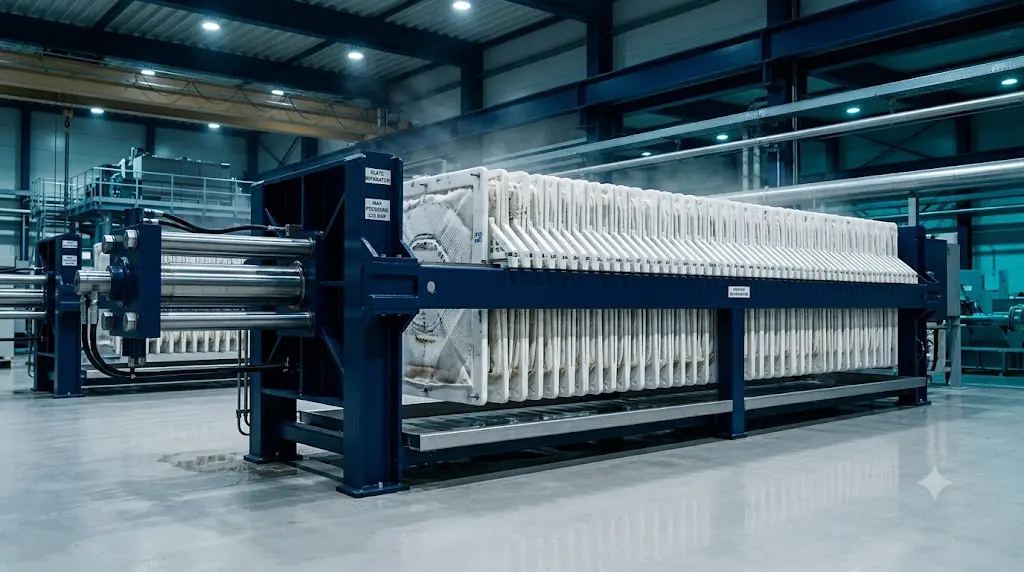
Most dewatering content will tell you a filter press is the answer. We sell filter presses. We believe in them. And we are still going to tell you when they are the wrong call — because the right recommendation is more valuable than the easy sale.
A filter press is one of the most capable dewatering tools available. It produces dry cake, handles difficult sludge, and can run 24 hours with the right automation. But capable does not mean right for everyone. There are real situations where a press will underperform, cost too much to operate, or simply be overkill. Knowing the difference before you buy saves time, money, and a lot of frustration.
The wrong equipment decision in dewatering is not just a capital loss — it is ongoing: maintenance costs that don’t justify the investment, cycle performance that never meets expectations, and disposal costs that stay high because the system isn’t actually solving the problem. Getting the selection right upfront is the decision that pays for everything else.
A filter press is not the right choice when feed solids are too low to justify cycle performance, when throughput requirements demand continuous rather than batch operation, when capital investment cannot be recovered against disposal savings, or when sludge chemistry is too variable for consistent results without substantial upstream conditioning.
Solids content. Disposal cost math. Site readiness. Volume justification. If you can’t answer all ten questions with real data, you’re not ready to buy — and this checklist will tell you exactly where the gaps are.
Four specific situations account for nearly every filter press mismatch we see in the field.
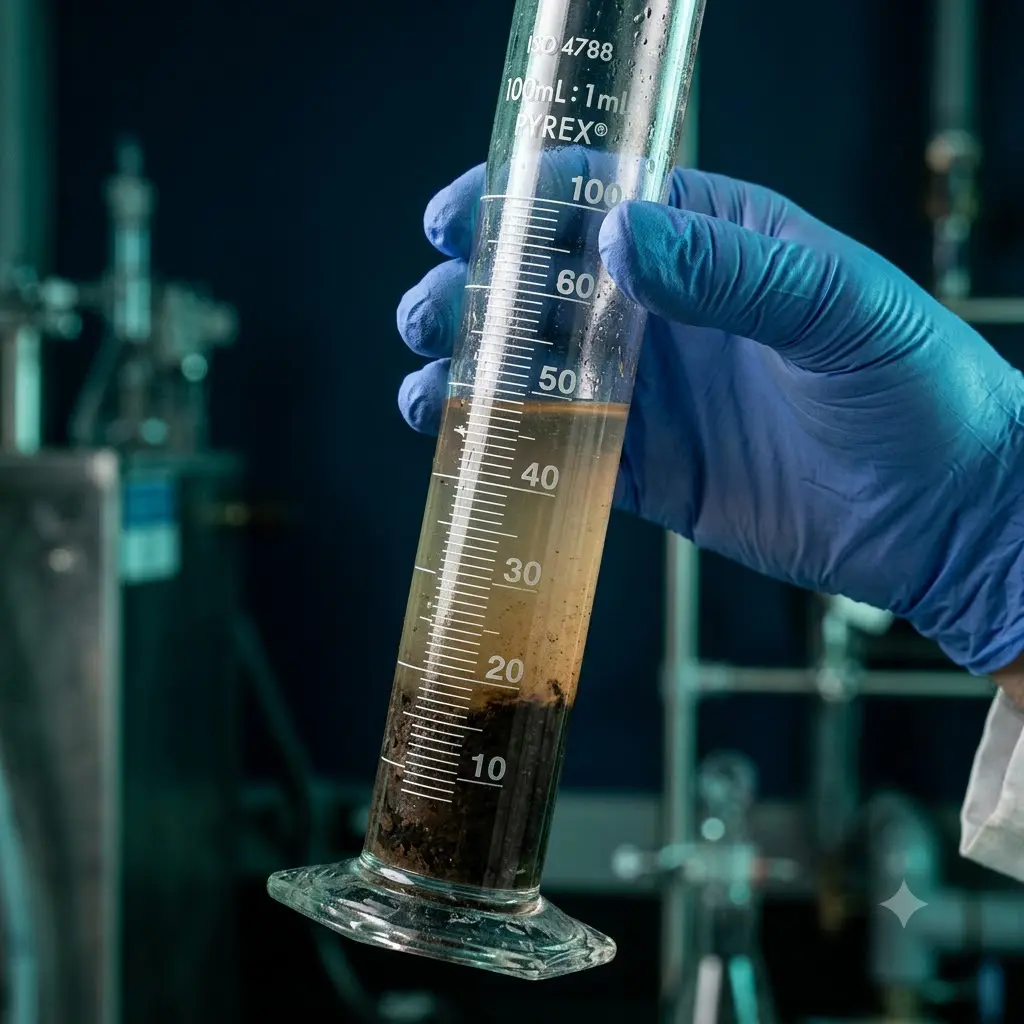
Filter presses work best when your slurry carries 50 to 60 percent solids by weight. Below that threshold — particularly at 5 to 10 percent solids — you are not dewatering so much as cycling water through the system. Cycle times extend, cloths blind faster, and maintenance costs climb past any savings on disposal.
Industry practice generally recommends pre-thickening any feed below 30 percent solids before introducing it to a filter press. Low solids content is the most common equipment mismatch we identify in new installation evaluations — and the most preventable.
Instead: Start with a clarifier to concentrate solids before they reach the press. A clarifier uses polymer flocculation and gravity settling to bring your feed up to a workable concentration. Many operations need both — just in the right order.
A filter press is a batch operation. It fills, presses, discharges, and starts over. That cycle takes time. If your process generates wastewater continuously and cannot tolerate any throughput interruption, a filter press creates a bottleneck rather than eliminates one.
This comes up most often in larger municipal operations or industrial processes with constant, high-flow discharge requirements. It is not that a press cannot handle volume — it is that batch architecture cannot match continuous-flow requirements without either oversizing significantly or installing multiple units.
Instead: A belt press or centrifuge handles continuous flow better in these scenarios. They do not produce as dry a cake as a filter press, but they keep pace with volume. The comparison table below shows where each alternative fits.
| Equipment | Cake Dryness | Flow Type | Best For | Capital Cost |
|---|---|---|---|---|
| Filter Press | Driest (<15% moisture) | Batch | Consistent feed, max dryness, lowest long-term disposal cost | Medium–High |
| Belt Press | Moderate (18–25% moisture) | Continuous | High-volume continuous flow, municipal operations | Medium |
| Centrifuge | Moderate (20–30% moisture) | Continuous | Fine particles, pharmaceutical, food processing | High |
| Clarifier | Pre-thickening only | Continuous | Low-solids feed concentration before press | Low–Medium |
| Contracted Dewatering | Varies | On-demand | Low-volume operations, capital-constrained | None (OpEx only) |
Work through this one-page checklist before you request a quote on anything. It covers the issues that most often turn a smart equipment purchase into one you’re working around six months later.
Filter presses represent a real capital commitment. Between equipment, installation, site prep, electrical, and concrete work, the full installed cost ranges from modest small-system setups to significant six-figure projects for larger installations. If your wastewater volume only justifies one or two cycles per week, the disposal savings rarely cover the investment within a reasonable payback window.
A filter press paying for itself typically requires consistent operation — enough cycles per week to generate meaningful disposal cost reduction. Small operations sometimes buy a press because it sounds like the professional solution, then discover the math never closes.
Instead: Look at whether contracted dewatering makes more sense than owned equipment. You get the same result — dry cake, lower disposal costs — without the capital outlay. ChemREADY can run the numbers before you commit to anything.
Filter presses perform best when feed conditions are consistent. If your sludge characteristics swing significantly — different pH levels, variable solids loading, changing particle size distribution — you will spend significant time chasing polymer adjustments and troubleshooting inconsistent performance. Some operations manage variability well; others let it become a recurring operational burden.
This is especially common in operations that accept outside waste streams or run different process lines through the same treatment system at different times. The press is not the problem — the upstream variability is.
Instead: The solution here is not always a different machine. Proper polymer selection and chemical dosing can stabilize a variable feed enough to make a filter press viable. A dewatering optimization review will tell you whether upstream conditioning is the fix or whether equipment selection needs to change.
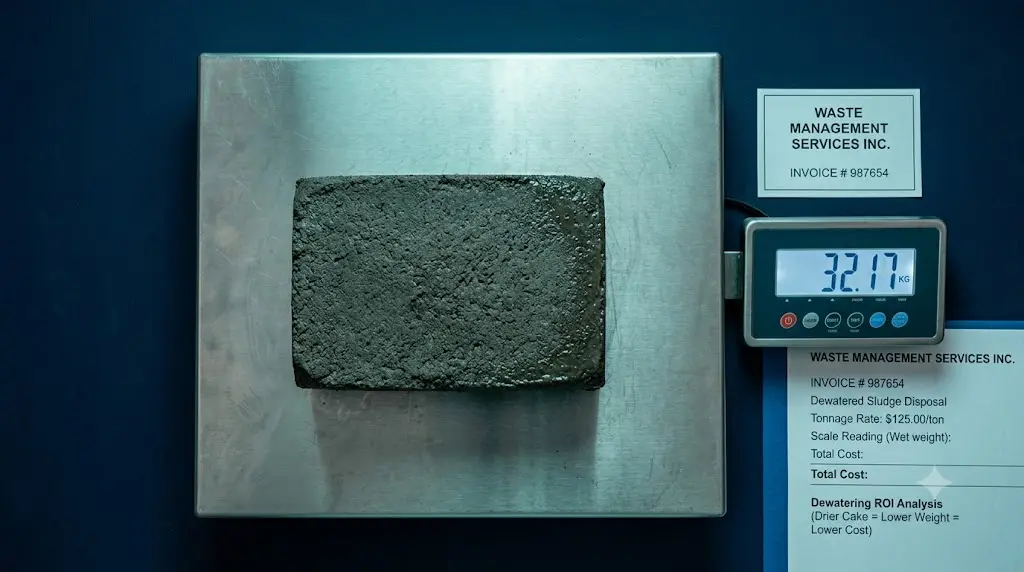
When none of the above apply. Consistent feed with adequate solids content, volume that justifies the capital investment, and a requirement for the driest possible cake at the lowest long-term disposal cost — a filter press is hard to beat.
The Matec filter presses ChemREADY installs and supports are engineered for exactly this: high-pressure technology, full automation, and a design built to run in harsh industrial environments. They routinely produce cake under 15 percent moisture — which directly cuts hauling weight and disposal cost in a way that belt presses and centrifuges cannot match.
The question is never “is a filter press good equipment?” It is. The question is whether it is the right match for your specific operation. Getting that answer right upfront is the difference between a system that pays for itself and one that becomes a maintenance burden you work around.
ChemREADY’s job is to get that answer right. We have installed and supported dewatering systems across a wide range of industries and operations. We know when a press is the move and when something else makes more sense — and we will tell you either way.
This one-page checklist walks through the ten questions that determine whether a filter press is the right call for your operation — and gives you a quick self-score so you know exactly where you land before the conversation with any vendor starts.
Book a 30-minute conversation directly. We'll discuss your dewatering and solids management situation and whether working together makes sense.
Book a 30-minute call →Take a look at our dewatering services first. See where you stand across polymer programs, filter press performance, and solids handling infrastructure — then decide if a conversation makes sense.
Find out what a buyer would see →Browse everything we do in dewatering — chemicals, equipment, and services — at your own pace, no conversation required.
Explore our dewatering solutions →We work with advisors who encounter infrastructure gaps in solids management and dewatering client businesses. If you're looking for a referral partner for pre-sale readiness work, let's talk.
Learn about our partner program →