Reading Time | 12 Minutes
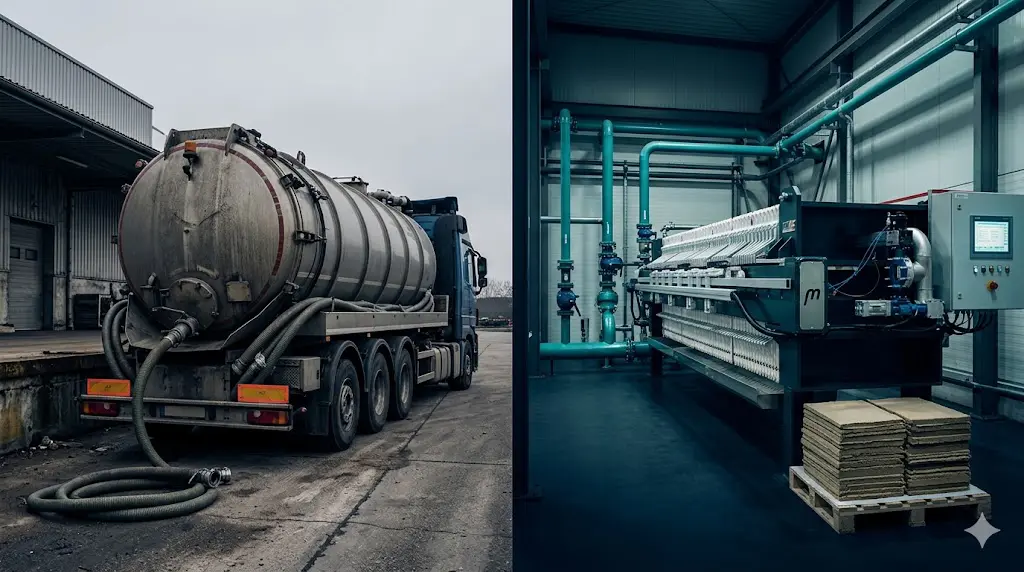
For many industrial facilities, hauling liquid waste off-site is just ‘how it has always been done.’ A vacuum truck shows up on schedule, your team loads it, the hauler drives it to a disposal site, and you pay the invoice. It feels simple because the process is familiar.
But familiar does not mean efficient. And simple does not mean cheap.
When facilities take a closer look at what hauling wastewater actually involves — and compare it against treating wastewater on-site or dewatering it before disposal — the picture changes significantly. The costs are not always where you expect them. The risks are not always visible on the invoice. And the long-term trajectory of hauling almost always moves in the wrong direction.
This guide compares hauling wastewater vs. on-site treatment across the factors that matter most to operations managers, plant engineers, and facility leaders: total cost structure, operational control, regulatory exposure, environmental impact, and long-term scalability.
On-site wastewater treatment is the process of managing and treating industrial liquid waste at your facility rather than transporting it to a third-party disposal site. It includes chemical pretreatment for sewer discharge compliance, biological treatment for environmental discharge, dewatering to reduce waste volume, and water reclamation for process reuse — all managed under the facility’s own permit and operational control.
The alternative — off-site hauling — transfers the physical waste but not the liability. Under RCRA (the Resource Conservation and Recovery Act) and most state regulations, waste generators retain cradle-to-grave responsibility for proper disposal, even after the truck pulls away.
The true cost to haul liquid waste is significantly higher than the per-load invoice price. Most industrial facilities pay $0.05–$0.30 per gallon for hauling, but this base rate excludes fuel surcharges, manifesting labor, compliance documentation, internal staff time, and the compounding cost of transporting waste streams that are 95–99% water. When these hidden costs are totaled, effective hauling cost per gallon is typically 2–4x the invoice price.
The invoice from a waste hauler is straightforward: a per-load or per-gallon charge for picking up liquid waste and transporting it to a licensed disposal facility. But that number only tells part of the story.
The true cost of hauling includes expenses that never appear on the hauler’s invoice:
None of these costs are fixed. Fuel prices fluctuate. Hauler availability tightens as the industry consolidates. Disposal regulations get stricter, narrowing the number of receiving facilities willing to accept industrial waste. Over time, every one of these factors pushes hauling costs in one direction: up.
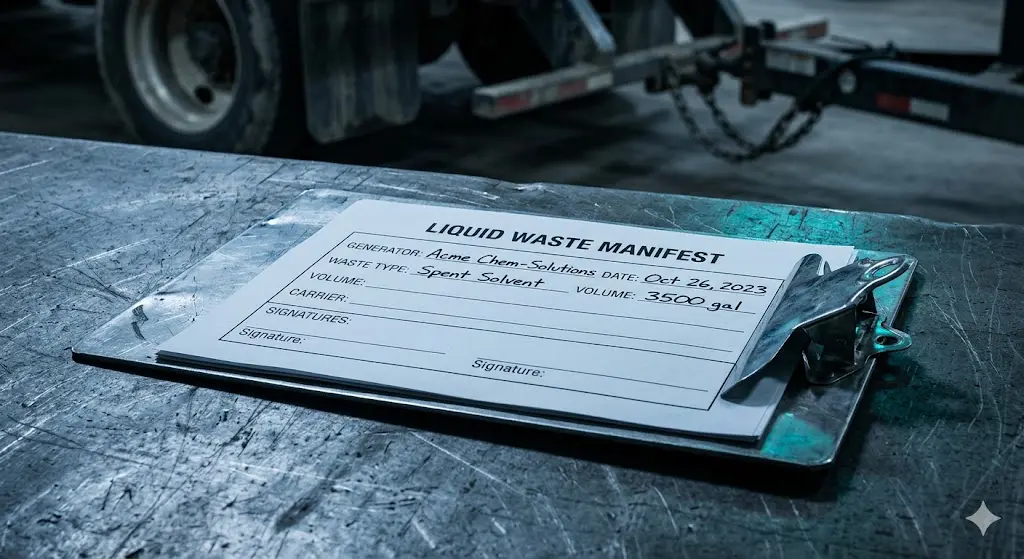
Most facilities have no idea what their liquid waste is actually costing them per gallon — fully loaded. ChemREADY’s free Filter Press Dewatering ROI Calculator runs your numbers in under five minutes and shows you exactly what on-site dewatering could take off your invoice.
On-site wastewater treatment changes the cost structure by converting an escalating operating expense into a capital investment with declining per-gallon costs over time. Instead of paying per load with no equity and no return, a facility that treats on-site amortizes equipment cost, controls chemical and energy inputs, and sees efficiency improve as the system is optimized — while hauling costs only compound.
Key differences in cost behavior:
On-site treatment requires equipment, chemicals, monitoring, and maintenance — but the long-term cost trajectory moves in your favor instead of against you. Our digital remote monitoring technology keeps systems performing continuously and flags issues before they become downtime events.
Dewatering reduces hauling costs by physically removing water from your waste stream before it ever reaches a truck. Filter presses and other dewatering equipment separate solids from liquids, reducing waste volume by 80–85% (U.S. EPA). What was a tanker truck of liquid waste becomes a compact, stackable filter cake — and clean water that can often be reused or discharged on-site.
Specific outcomes dewatering delivers that hauling cannot:
The table below compares hauling vs. on-site treatment across the factors that drive operational and regulatory decisions at industrial facilities:
| Factor | Hauling Off-Site | On-Site Treatment + Dewatering |
|---|---|---|
| Cost trajectory | Escalating. Driven by fuel, regulation, and hauler consolidation. | Declining over time. Equipment amortizes, efficiency improves. |
| Volume handling | You pay for 100% of the liquid volume, including the water. | Dewatering reduces volume by up to 80–85% before disposal. |
| Liability | Cradle-to-grave. Your facility owns the waste even after the truck leaves. | Treated and discharged under your own permit. You control the outcome. |
| Water recovery | None. All water leaves the facility permanently. | Recovered water can be reused in process or discharged on-site. |
| Operational control | Dependent on hauler schedules, capacity, and pricing. | On-demand. Treat and dewater on your own timeline. |
| Scalability | Costs scale linearly. More waste means more trucks. | Properly sized systems absorb volume increases without proportional cost increases. |
| Regulatory risk | Dependent on the hauler's compliance and the receiving facility's permits. | Direct control over discharge quality, documentation, and reporting. |
| Environmental footprint | Truck miles, diesel emissions, road wear, disposal site impact. | Minimal. On-site processing with water reuse and reduced transport. |
The comparison becomes more significant over a multi-year horizon. Hauling costs compound. Treatment and dewatering systems become more efficient as they are optimized. The longer a facility hauls, the wider the gap grows between what it is paying and what it could be paying.
Plug in your current hauling costs, waste volume, and pickup frequency. ChemREADY’s free ROI Calculator shows you the annual savings, volume reduction potential, and payback period for your specific operation — before you ever talk to anyone.
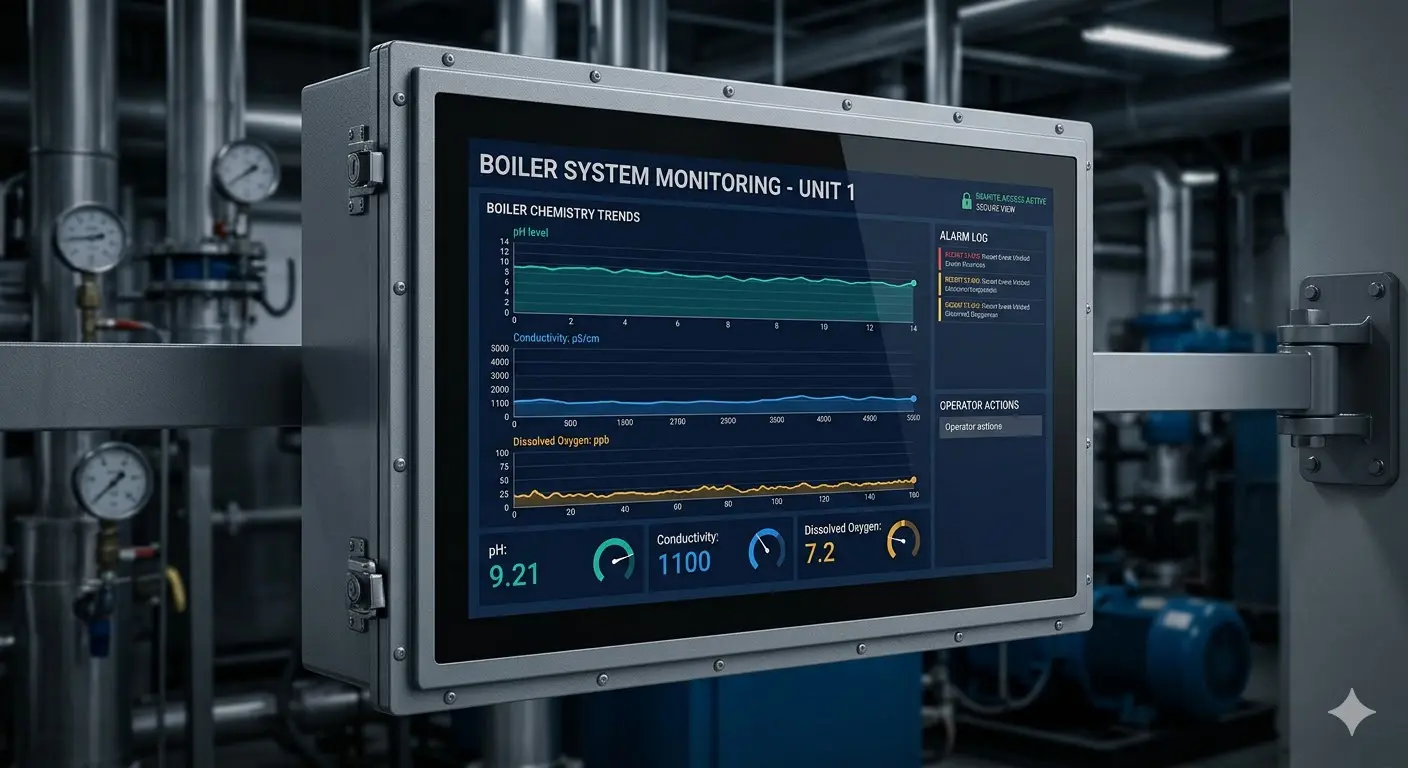
A practical buyer's guide for evaluating boiler water treatment programs — covering chemistry, service levels, and total cost of ownership before you sign anything.
Fill out the form for instant access.
Cradle-to-grave liability means the original waste generator remains legally responsible for proper disposal of industrial waste from the point of generation through final disposal — regardless of who handles the waste in between. Under RCRA and most state environmental regulations, if a hauler or receiving facility mishandles your waste, your facility is the responsible party. The liability does not transfer when the truck pulls away.
Beyond cost, hauling introduces operational and regulatory risks that most facilities do not fully account for until something goes wrong:
ChemREADY works with industrial facilities to design, implement, and manage on-site wastewater treatment and dewatering programs that reduce or eliminate dependence on hauling. We provide the chemicals, the equipment, the monitoring technology, and the ongoing support — a fully managed program, not a one-time equipment sale.
What makes ChemREADY’s approach different:
Hauling costs only move in one direction. ChemREADY’s free Filter Press Dewatering ROI Calculator shows you what on-site treatment would cost, what it would save, and how fast it pays back — based on your actual waste volume and disposal frequency.
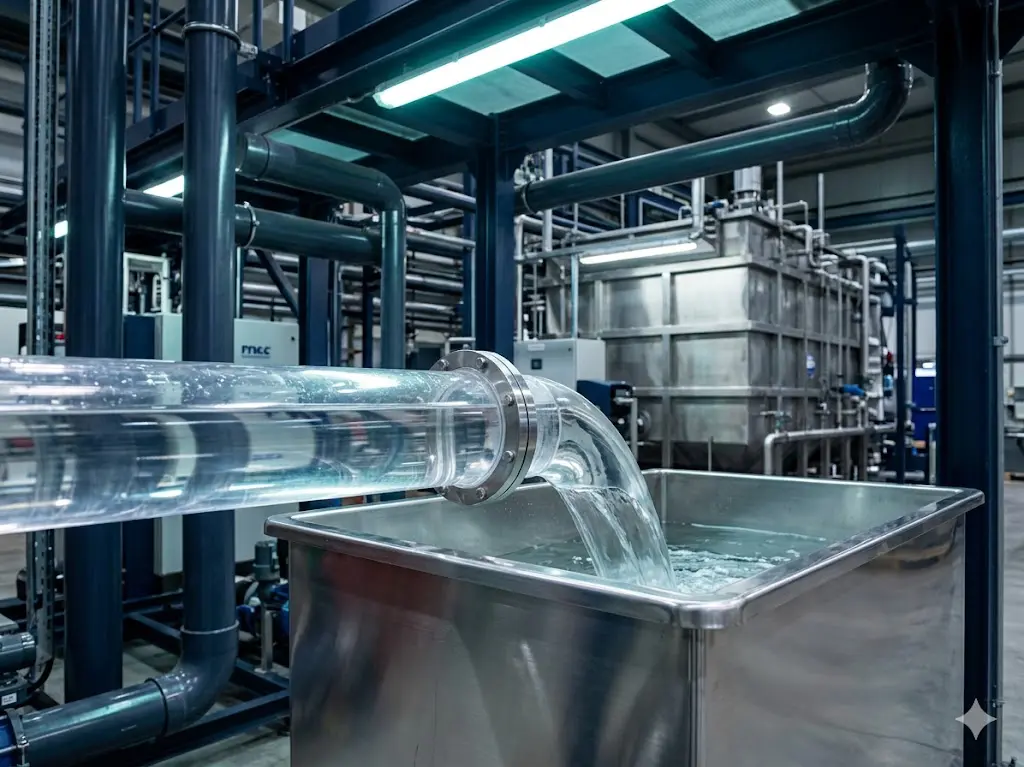
Hauling wastewater still makes sense in specific situations: very low or infrequent waste volumes where on-site treatment equipment cannot be justified; temporary projects or construction sites where permanent infrastructure is not practical; highly specialized waste classifications that require dedicated licensed receiving facilities; and one-time or emergency waste events that do not represent ongoing operational needs.
But for any facility generating consistent volumes of liquid waste on a regular basis, the comparison favors on-site treatment and dewatering across almost every dimension: cost trajectory, liability, operational control, scalability, and environmental impact.
Most facilities that haul liquid waste have never formally compared it against the alternative. Hauling is the default, not the decision. It continues because it is familiar, not because it has been evaluated.
When that evaluation happens, the results tend to be clear. On-site wastewater treatment addresses discharge compliance. Dewatering eliminates volume. Together, they replace an escalating, externally controlled expense with a managed program that improves over time.
The facilities that make this shift do not just reduce costs. They gain control over their waste stream, reduce regulatory exposure, recover usable water, and build a program that gets better every year instead of more expensive.
If your facility is still hauling — or if you have never run the comparison — the best place to start is understanding what your current operation actually looks like and what the alternatives could deliver.
Take the number you paid last month and put it into ChemREADY’s free Dewatering ROI Calculator. In five minutes you’ll know the payback period, the annual savings, and whether on-site treatment is the conversation your facility needs to have right now.