Reading Time | 12 Minutes
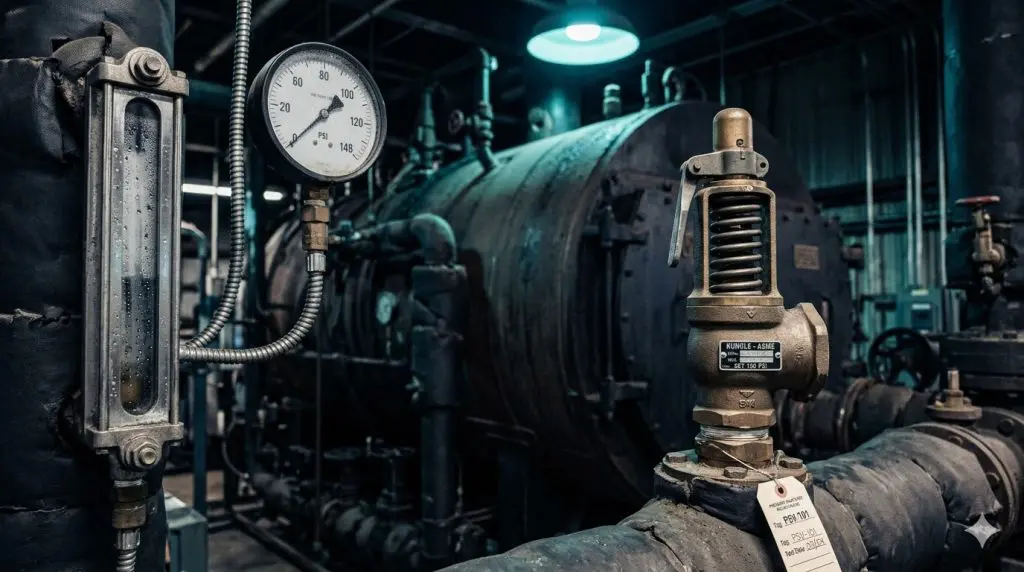
Across manufacturing plants, hospitals, and university campuses, boilers are shutting down for the season right now. Heating demand is dropping. And somewhere, a facility manager is about to make a decision that will either protect a million-dollar asset — or silently destroy it.
That decision is boiler layup. And getting it wrong is one of the most expensive mistakes in industrial water treatment.
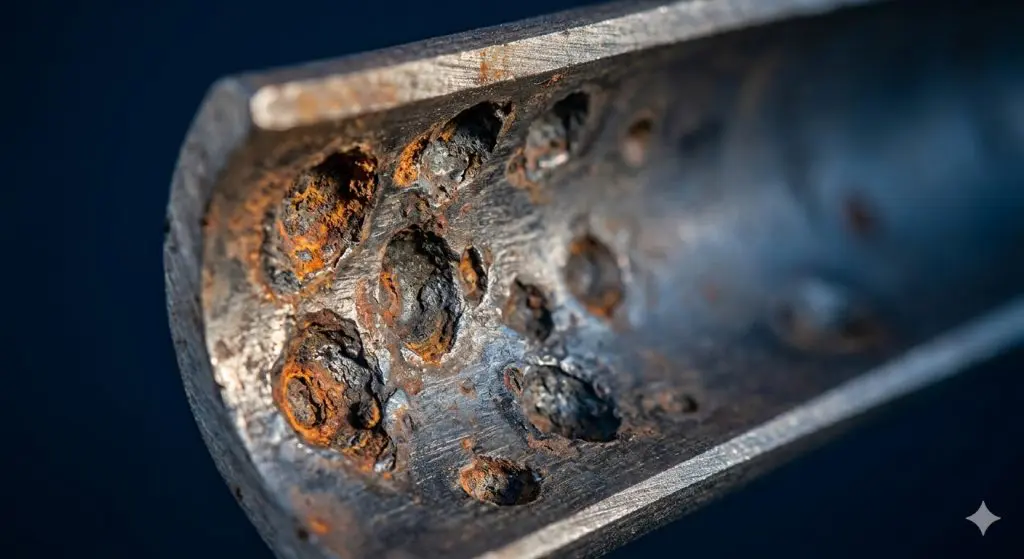
Here is what makes boiler layup failures so destructive: the damage is invisible. Oxygen pitting can perforate a boiler tube in as little as two to three weeks during an unprotected idle period, according to industry guidelines from the American Boiler Manufacturers Association (ABMA). Dew point corrosion on the fireside can eat through half an inch of steel per year during shutdown. By the time you discover the damage at fall startup, you are looking at emergency tube replacements running $15,000–$50,000 per incident — plus unplanned downtime and a budget conversation nobody wants to have.
The good news: proper boiler layup is straightforward when you know which method to use and why. This guide covers wet layup, dry layup, the chemical parameters for each, and the decision framework that tells you which one protects your specific boiler through its off-season.
Most corrosion damage happens when equipment sits idle — not when it’s running. Use ChemREADY’s Boiler Wet Layup Checklist to protect your system from the inside out. No cost. No obligation.
Boiler layup is the process of preserving a steam boiler during periods of inactivity to prevent internal corrosion, oxygen pitting, and tube damage. It involves either maintaining a full system of chemically treated water (wet layup) or draining the boiler completely and keeping internal surfaces dry and inert (dry layup). The goal of both methods is to stop the corrosive chemistry that begins the moment a boiler goes offline.
During normal operation, your boiler water treatment program maintains the chemistry that protects metal surfaces from oxygen attack, acidic corrosion, and scale formation. The moment that boiler shuts down and cools, three things happen simultaneously:
Without a planned layup procedure, those three factors combine to create conditions for oxygen pitting, under-deposit corrosion, and tube thinning — the failures that account for the majority of boiler tube replacements in industrial facilities.
WARNING: A boiler sitting idle with no layup protection can develop measurable pitting damage in as little as two to three weeks (ABMA). The operational rule: if the boiler will be offline for more than five days, a layup procedure is not optional — it is a maintenance requirement.
A practical buyer's guide for evaluating boiler water treatment programs — covering chemistry, service levels, and total cost of ownership before you sign anything.
Fill out the form for instant access.
The decision between wet and dry boiler layup depends on three variables: how long the boiler will be idle, whether it needs to restart quickly, and the ambient conditions at your facility. Neither method is universally superior — the right choice is the one that matches your operational reality.
| Factor | Wet Layup | Dry Layup |
|---|---|---|
| Shutdown Duration | Days to several months | 30+ days to indefinite |
| Restart Speed | Hours to 1–2 days | Multi-day process |
| Freezing Risk | Not suitable — water in system | Preferred method |
| Monitoring Required | Every 1–2 weeks (chemistry checks) | Minimal after initial setup |
| Chemical Cost | Higher — ongoing treatment additions | Lower — one-time preparation |
| Upfront Labor | Moderate — refill and dose | Higher — full drain, clean, dry |
| Best For | Standby boilers, hospitals, multi-boiler plants | Seasonal shutdown, mothballing, single-boiler facilities |
In practice, the choice is usually driven by operational reality rather than textbook recommendations. A hospital cannot drain its standby boiler because it may be needed at 2 AM during a cold snap. A manufacturing plant shutting down from May to September has no reason to maintain treated water in an idle system for four months. Match the method to your scenario — not to what was done last year without evaluation.
A proper dry layup is the difference between a smooth startup and a costly repair bill. Use ChemREADY’s Boiler Dry Layup Checklist to shut down with confidence. No cost. No obligation.
Wet boiler layup keeps the boiler completely full of chemically treated water, with all internal surfaces submerged and no air space where oxygen can contact metal. The treatment levels are elevated above normal operating targets to provide a chemical barrier throughout the idle period.
Wet layup is the right method for shutdowns lasting anywhere from a few days up to several months, and for any boiler that may need to return to service on short notice. It is the standard approach for hospital standby boilers, campus systems with multiple units, and any facility that cannot afford a multi-day restart delay.
The primary failure mode in wet layup is oxygen ingress — air entering the system and attacking the water surface. Two approaches prevent it:
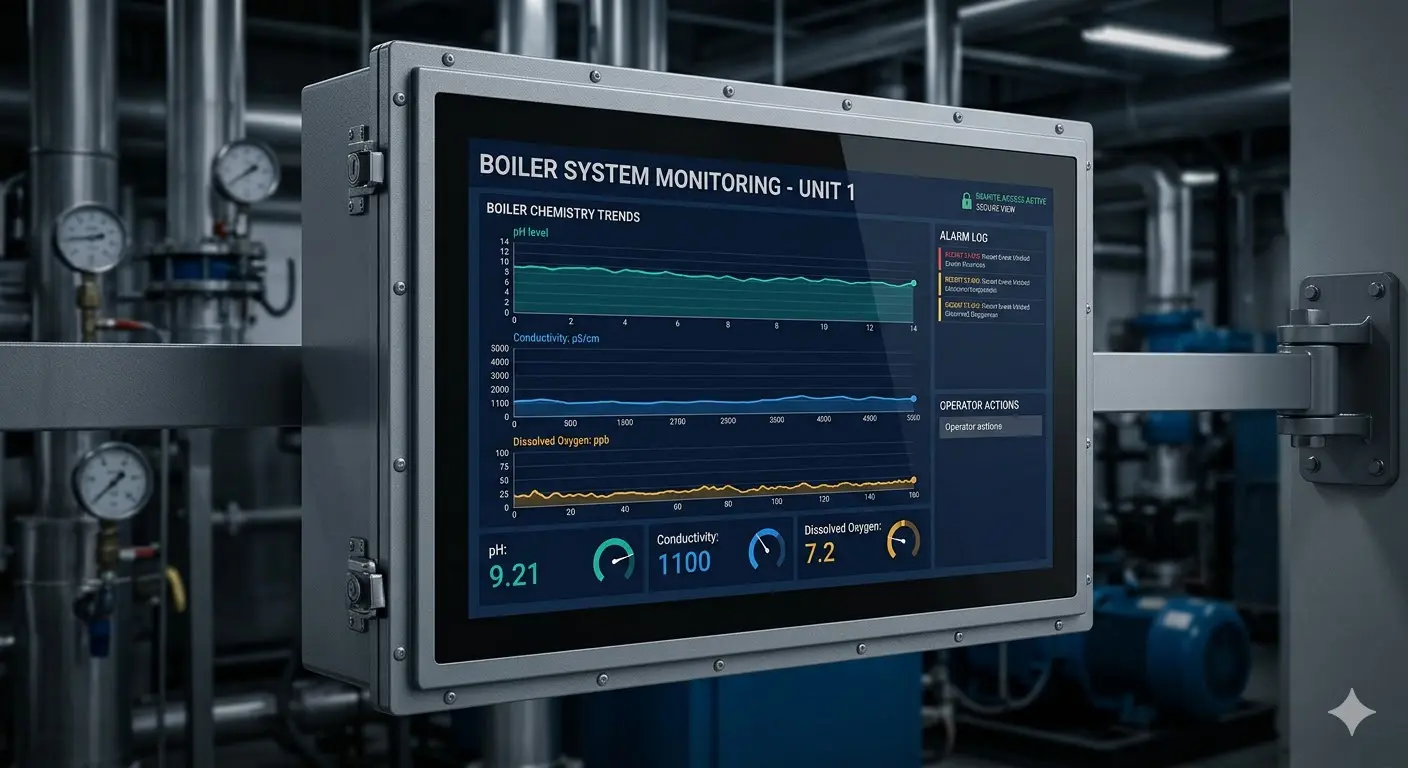
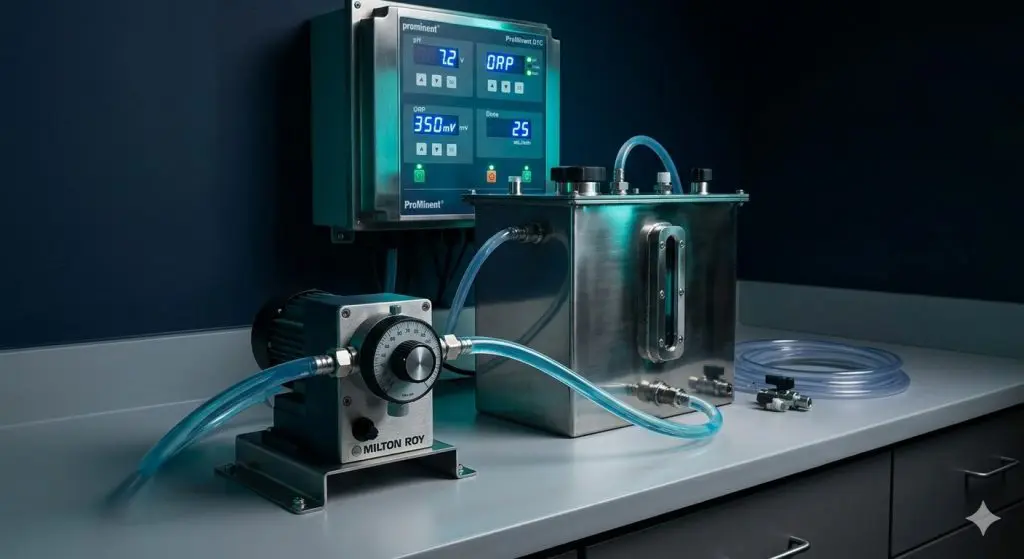
Automated controllers and remote monitoring equipment can track pH, conductivity, and dissolved oxygen in real time during layup — eliminating the risk of chemistry drift going undetected between manual checks.
Oxygen pitting and corrosion don’t wait for your boiler to run. They start the moment it sits unprotected. Get ChemREADY’s Boiler Wet Layup Checklist and shut down the right way. No cost. No obligation.
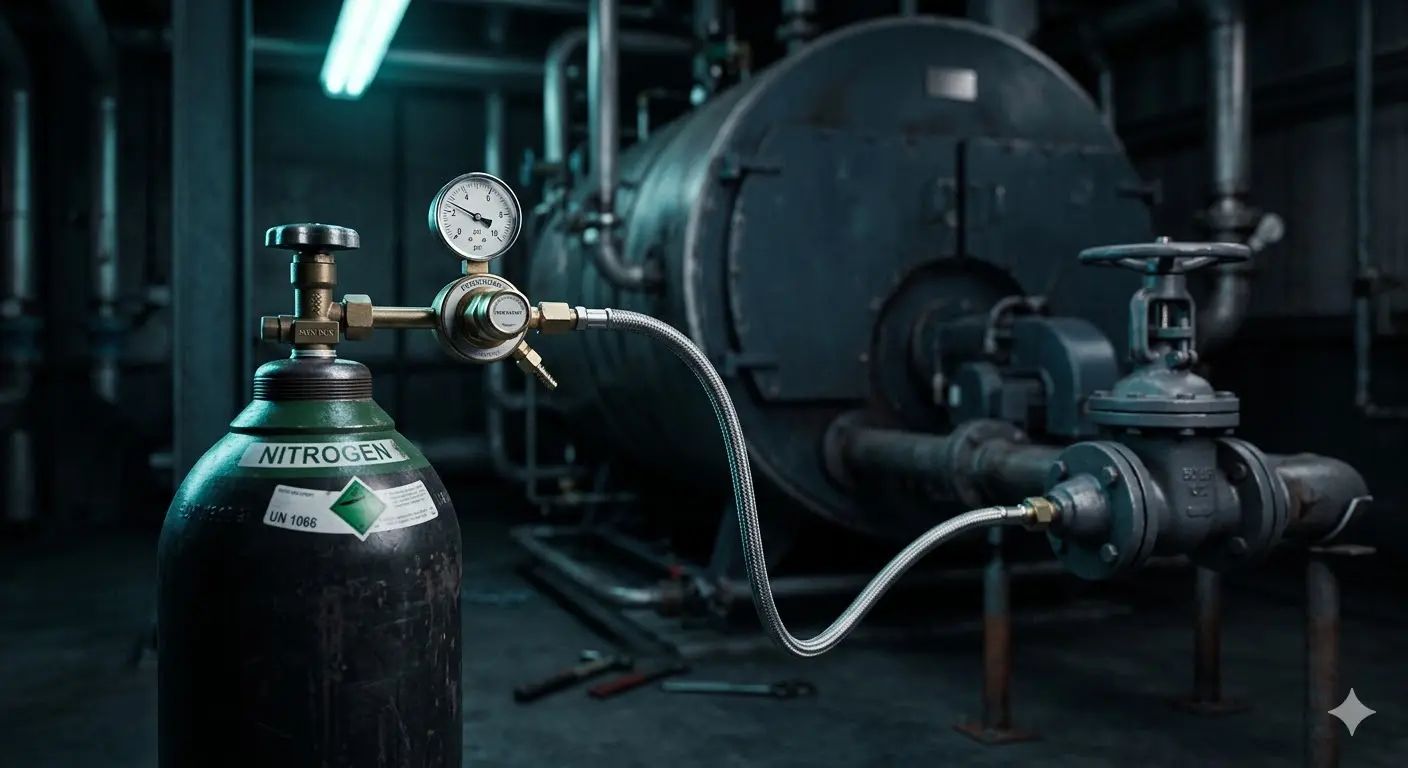
Dry boiler layup removes all water from the boiler and keeps internal surfaces completely dry and chemically inert. Without water present, oxygen cannot dissolve and attack the metal — which is why dry layup provides superior long-term protection when performed correctly.
Dry layup is the right choice when the boiler will be offline for more than 30 days, when there is no need for rapid restart, or when the facility is located in a climate where freezing temperatures make water-filled systems dangerous.
WARNING: Never cool a boiler rapidly by opening doors or running the combustion air blower. Thermal shock from accelerated cooling causes cracking and weakens tube-to-header integrity. Always isolate the boiler and allow natural cooling to ambient temperature.
The way you take your boiler offline determines how it comes back online. Follow ChemREADY’s proven dry layup process and start next season with confidence. No cost. No obligation.
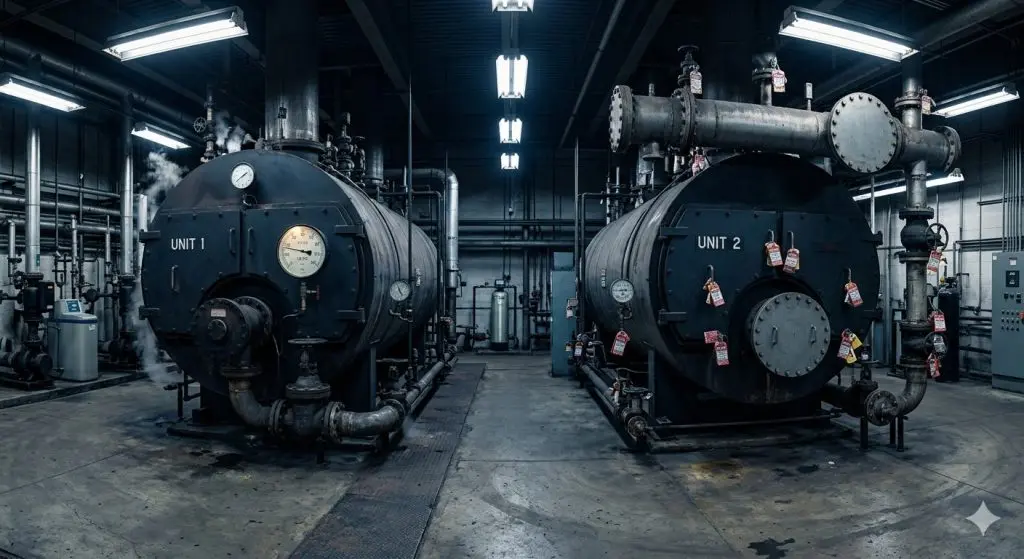
Understanding the failure modes is as important as knowing the correct procedure. These are the four most common boiler layup mistakes and what they cost:
A layup procedure is only as good as its documentation. Most facility engineers know what was done — but cannot produce a written layup record when asked by an insurance auditor, equipment manufacturer, or risk management team.
At minimum, your boiler layup documentation should include: the method selected (wet or dry) and the rationale, the date of shutdown and expected return to service, all chemical additions including product names, quantities, and target parameters achieved, the names of personnel who performed and verified the procedure, and a monitoring log for wet layup systems showing chemistry results and dates.
Some boiler insurance policies and equipment warranties specifically require documented layup procedures. An undocumented layup — or the absence of one — can complicate warranty claims and accelerate equipment depreciation on the books.
Layup success is ultimately measured at startup. A properly preserved boiler should return to service with clean, clear water, no visible pitting on internal inspections, and chemistry that comes back into spec quickly after the first few blowdowns and treatment additions.
Returning a wet-laid boiler to service requires: a visual internal inspection before closing (if handholes were opened), verification that chemistry is still within layup parameters, a controlled purge of the steam header before pressurizing, and a gradual warm-up following manufacturer recommendations.
Returning a dry-laid boiler to service requires significantly more time: refilling with treated feedwater, allowing the system to stabilize at operating temperature slowly, a series of blowdowns to purge any residual nitrogen and establish normal water chemistry, and a post-startup inspection to verify no corrosion occurred during storage.
Either way, document the startup procedure as thoroughly as you documented the layup itself. That documentation is what separates a managed asset from a liability waiting to surface.
Every boiler that goes offline without a layup plan is a bet. A bet that nothing will corrode, nothing will pit, and nothing will fail at startup. That bet works until it does not. And when it does not, the cost is tubes, downtime, and a conversation with finance that nobody enjoys.
Proper boiler layup is not expensive. It is not complicated. But it does require a plan, the right chemicals, and someone who follows through on the monitoring schedule — which is where most in-house programs fall short. The intention is there. The execution drifts.
A managed program with digital remote monitoring closes that gap by keeping eyes on your system chemistry even when the boiler is not running. The alternative is a layup protocol matched to your equipment, your shutdown duration, and your operational reality — wet or dry, monitored, documented, and ready to restart cleanly when heating season returns.
Dry layup mistakes show up months later — right when you need your boiler most. ChemREADY’s Boiler Dry Layup Checklist keeps your shutdown airtight. No cost. No obligation.
Book a 30-minute conversation directly. We'll discuss your water treatment situation and whether working together makes sense.
Book a 30-minute call →Take a look at our water treatment services first. See where you stand across chemical programs, system performance, and municipal compliance — then decide if a conversation makes sense.
Find out what a buyer would see →Browse everything we do in water treatment — chemicals, equipment, and services — at your own pace, no conversation required.
Explore our water treatment solutions →We work with advisors who encounter infrastructure gaps in municipal water and drinking water client businesses. If you're looking for a referral partner for pre-sale readiness work, let's talk.
Learn about our partner program →