The Vital Stages of Industrial Wastewater Treatment
March 23, 2024
Nick Piskura
Reading Time | 5 Minutes
Stages of Industrial Wastewater Treatment
Industrial processes generate a unique blend of wastewater requiring specialized treatment before being safely released or reused. These systems rely on a multi-stage approach to effectively remove contaminants, often exceeding the standards for domestic wastewater treatment.
Free ServiceNo Lab Fees
What’s really in your wastewater?
Send us a sample — we’ll run the analysis and translate it into plain-language recommendations for your treatment program.
Beyond Treatment: Sludge Management
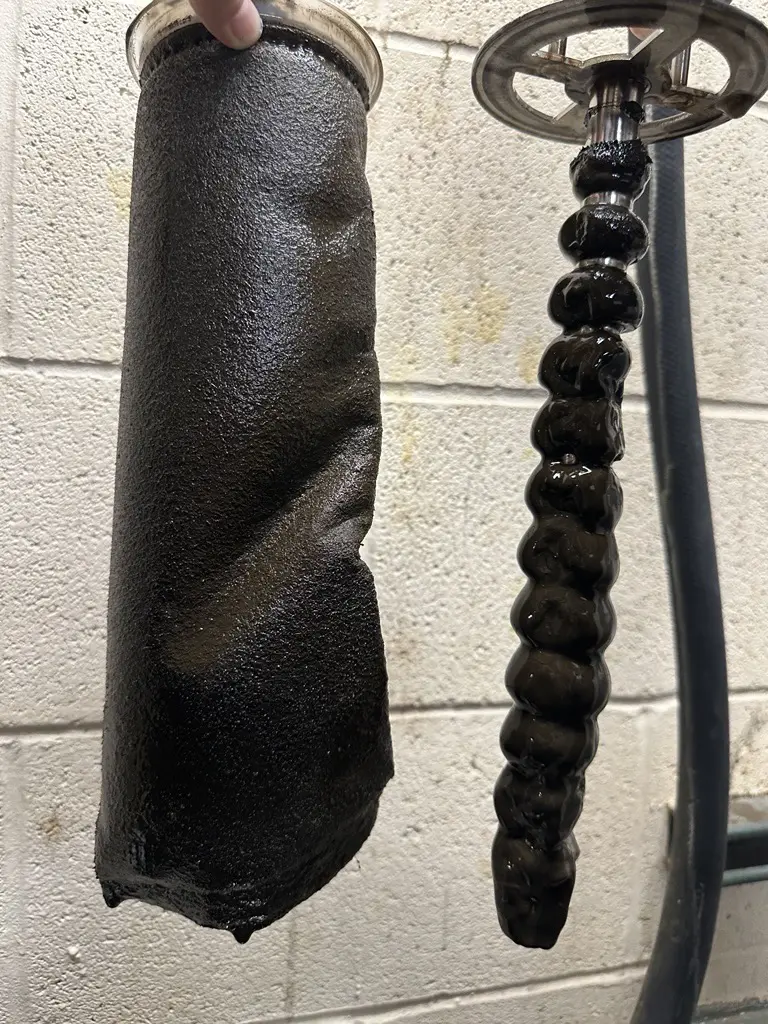
Throughout the process, solid waste accumulates in the form of sludge. This requires proper treatment and disposal, such as:
Thickening and dewatering: Concentrates the sludge to reduce volume and facilitate further processing.
Stabilization: Breaks down organic matter in the sludge to reduce odor and improve handling.
Land application, incineration, or co-digestion: Various options exist for responsible final disposal or beneficial reuse.
Free ServiceNo Lab Fees
What’s really in your wastewater?
Send us a sample — we’ll run the analysis and translate it into plain-language recommendations for your treatment program.
By meticulously addressing each stage, industrial wastewater treatment systems ensure that treated water meets environmental regulations and can be safely discharged or even reused, minimizing its environmental impact ChemREADY offers custom solutions to industrial wastewater processes, from pre-treatment to sludge management, and everything in between.
Ready to Improve Efficiency and Reduce Disposal Costs?
Let our team evaluate your current process and identify opportunities for optimization.