Alkalinity and pH control in wastewater treatment is the ongoing management of a system’s acid-base balance to keep biological processes functioning, prevent equipment corrosion, and maintain discharge compliance. pH measures the concentration of hydrogen ions in the water — a value below 7.0 is acidic, above 7.0 is alkaline, and most wastewater treatment processes target a range of 6.5–8.5. Alkalinity is distinct from pH: it measures the water’s capacity to resist pH change, acting as a buffer against acid loading from biological activity and influent variability. Without sufficient alkalinity, even a small acid event can crash pH, disrupt nitrification, and trigger a permit violation.
We design pH and alkalinity control programs around your influent chemistry, your biological process requirements, and your discharge limits — not a one-size product recommendation. The right alkalinity source, dosed at the right point, monitored continuously. pH stays within your compliance window. Your biology performs. Your effluent meets permit.
Typical operational window for biological wastewater treatment per EPA and discharge permit standards
Minimum carbonate alkalinity needed to stabilize pH during active nitrification and biological loading events
Most facilities stabilize pH within permit limits and reduce chemical spend within the first year of a managed program
Most discharge violations traced to biological failure have pH and alkalinity drift as the root cause — and most were preventable with a managed chemistry program.
Send us a sample — we'll run the analysis and translate it into plain-language recommendations for your treatment program.
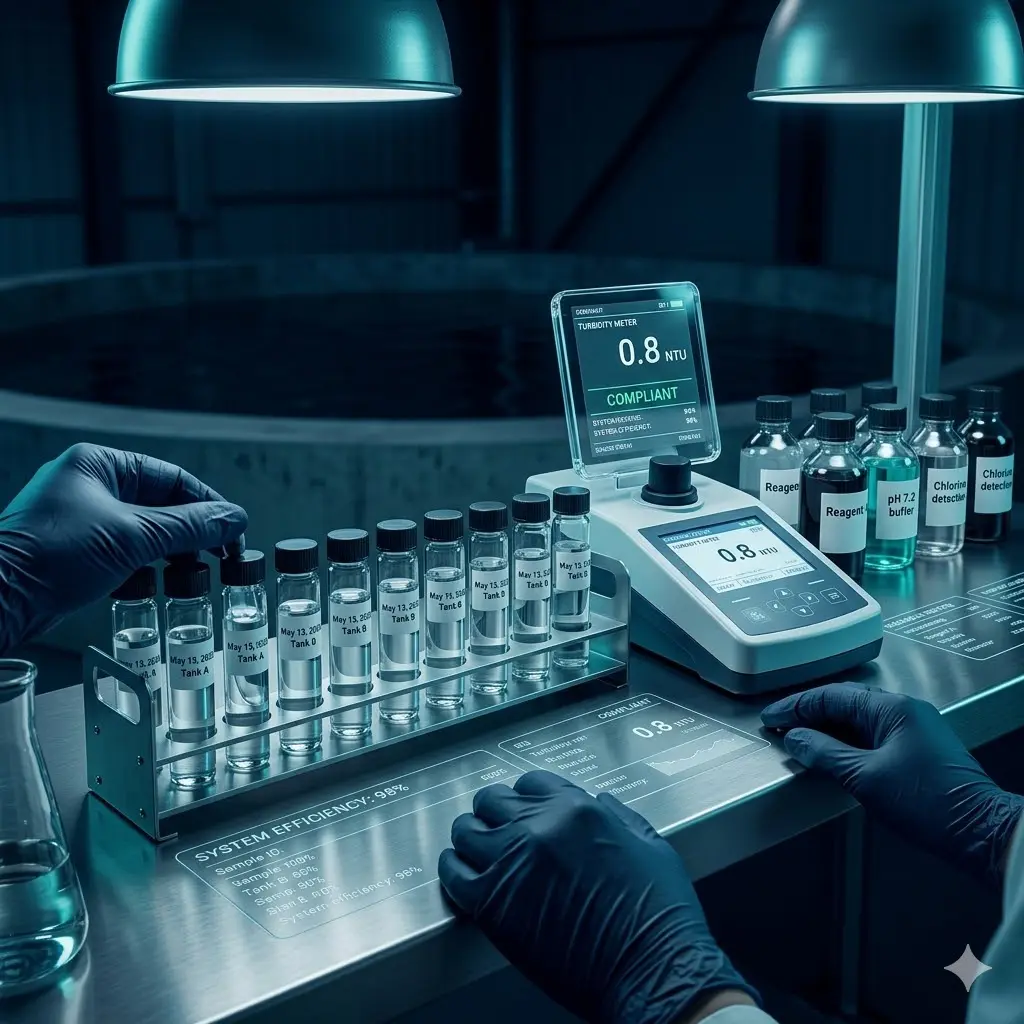
pH that drifts goes unnoticed until biology crashes or a compliance sample comes back out of range. ChemREADY installs continuous pH monitoring at critical treatment points — influent, aeration basins, clarifiers, and effluent — with automated dosing controllers that respond to pH excursions in real time, before they become compliance events. You get a documented pH record at every service cycle, not a quarterly snapshot.
Read More →
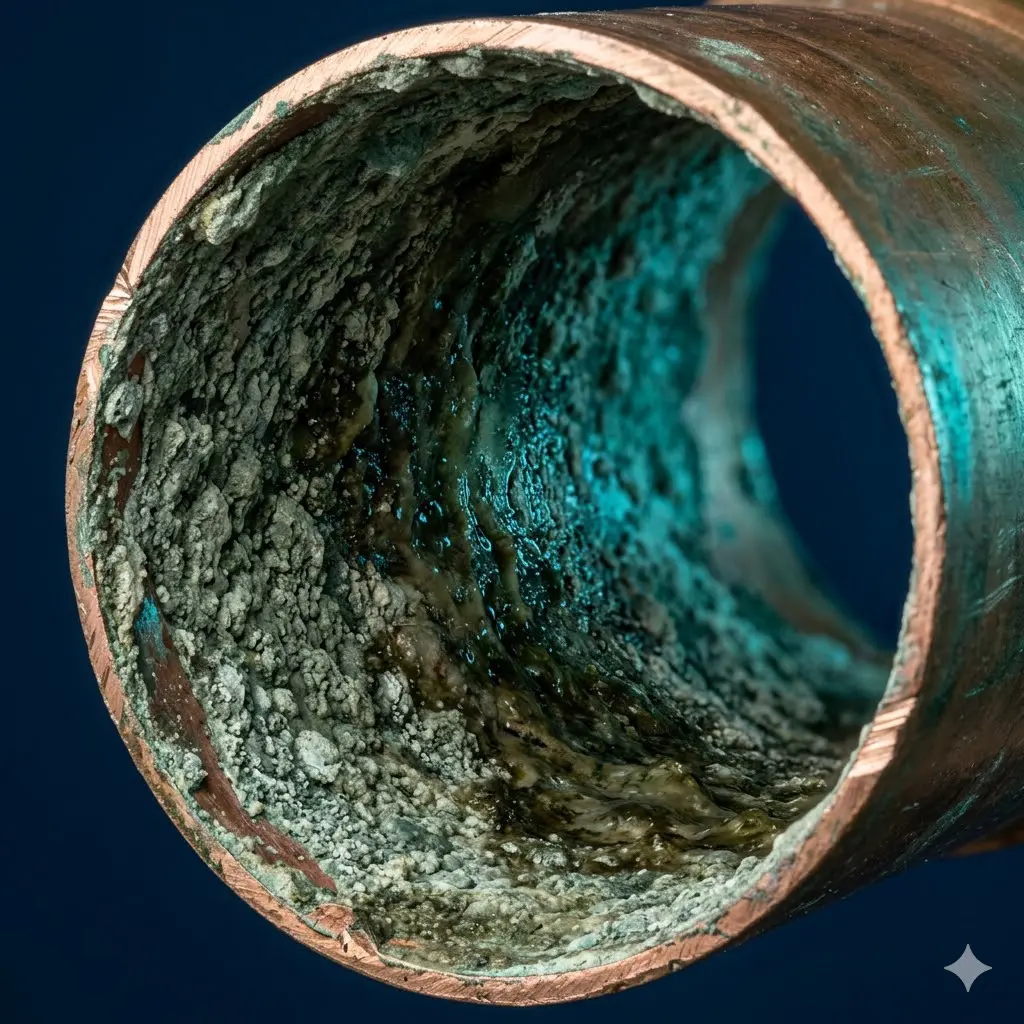
Low alkalinity is the most common hidden cause of nitrification failure and pH instability in biological treatment systems. ChemREADY evaluates your influent alkalinity, biological oxygen demand, and process loading to select the right alkalinity source — magnesium hydroxide, lime slurry, soda ash, or caustic soda — and doses it at the optimal point to stabilize pH without overshooting your discharge limits.
Read More →
ChemREADY's proprietary pHREADY formulation is engineered specifically for wastewater applications where pH adjustment and odor control need to work together. pHREADY adds non-carbonate alkalinity to your system, raises pH to reduce hydrogen sulfide generation, and creates favorable conditions for biological activity — working in coordination with SulfAWAY and BioREADY so your chemistry program does not conflict with itself.
Read More →
If you are managing pH by adding chemical and hoping the effluent sample comes back clean, you do not have a pH control program — you have a guessing strategy. ChemREADY's free water analysis establishes your actual alkalinity baseline, influent pH variability, and biological buffer capacity, then builds a documented control program with target ranges, dosing rates, and compliance checkpoints specific to your system.
Read More →Every pH compliance failure has a chemistry cause — and the wrong adjustment chemical makes it worse. Our program starts with understanding exactly what is driving pH instability in your system, then deploys the right treatment at the right point, monitored continuously so it stays solved.
Before any program recommendation, ChemREADY establishes where your system actually stands. Baseline analysis covers influent pH, total alkalinity (mg/L as CaCO3), bicarbonate and carbonate ratios, temperature, biological oxygen demand, and discharge permit target ranges — mapped against your treatment process to identify where pH stress is entering the system and what alkalinity reserve is available to buffer it.
Different stages of wastewater treatment require different pH windows. Aerobic biological treatment typically targets 6.5–8.5. Nitrification requires 7.0–8.0 to maintain ammonia-oxidizing bacteria activity. Chemical precipitation targets vary by metal. ChemREADY establishes stage-specific pH targets for your system and designs the chemistry program around maintaining each window without creating conflicts between treatment stages.
Alkalinity chemistry selection depends on your influent, your process, and your cost structure. Magnesium hydroxide provides slower, more controlled pH rise with lower overdose risk. Lime slurry is cost-effective at scale but requires careful handling and dosing infrastructure. Soda ash is easy to handle and good for moderate alkalinity supplementation. Caustic soda provides fast pH response but carries overdose risk. ChemREADY selects and doses the right chemistry for your specific system — not the easiest product to specify.
When influent pH runs high — common in food and beverage, concrete washout, and certain industrial discharges — acid addition is required to bring pH into the treatment window. ChemREADY designs controlled acid dosing programs using sulfuric acid or carbon dioxide, with automated feed systems that prevent pH overshoot and the exothermic reaction risks that come with concentrated acid addition at high flow rates.
Nitrification, denitrification, and aerobic digestion all consume alkalinity as part of their biochemistry — meaning active biology is constantly pulling pH down. ChemREADY designs alkalinity supplementation programs that account for biological alkalinity consumption rates, ensuring the system maintains sufficient buffer capacity through peak loading periods without overdosing during low-flow periods.
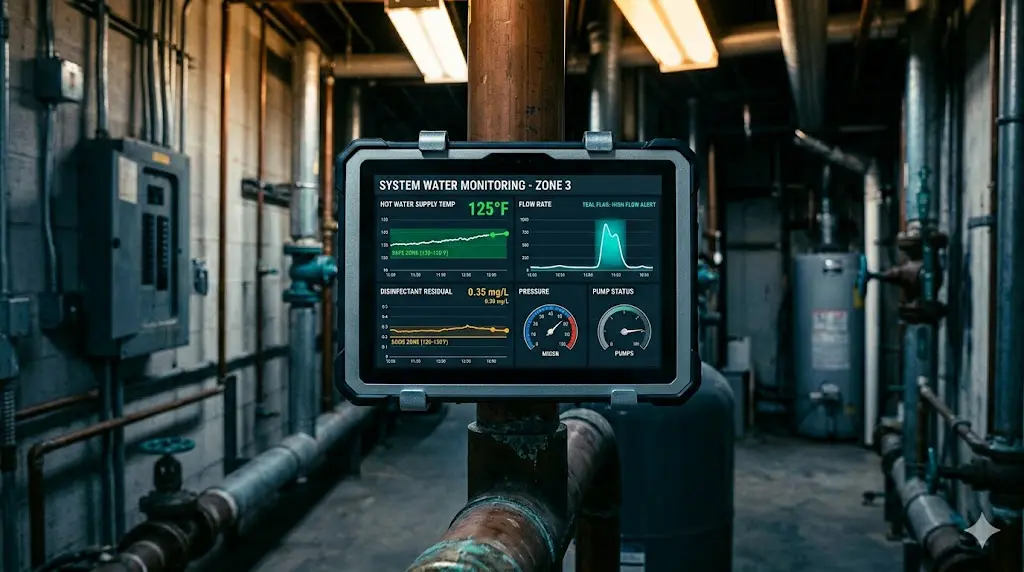
ChemREADY's digital remote monitoring systems track pH continuously at critical points, with automated dosing controllers that maintain pH within the target window between service visits. Real-time alerts notify both your operations team and ChemREADY field staff the moment pH drifts outside the compliance window — giving you response time before it becomes a sample failure.
pH and alkalinity management does not operate in isolation. Low pH accelerates hydrogen sulfide generation in collection systems. High pH improves FOG solubility and reduces grease buildup. ChemREADY integrates pH and alkalinity programs with odor control (SulfAWAY) and FOG management (pHREADY) so chemistry decisions reinforce each other instead of creating competing demands on your system pH.
Every ChemREADY service visit produces a written report with current influent and effluent pH readings, alkalinity measurements, chemical dosing rates, and any adjustments made. This documentation creates a defensible compliance record for permit inspections and gives your operations team a clear picture of pH trend over time — so problems are caught early, not after a violation notice.
Send us a sample — we'll run the analysis and translate it into plain-language recommendations for your treatment program.
A pH excursion does not announce itself with an alarm. It shows up as a biology crash, an effluent sample out of range, or a compliance notice from your permitting authority. By the time the violation is documented, the chemistry event that caused it happened days or weeks earlier — during a loading spike, an influent change, or a period when alkalinity ran out without anyone noticing.
ChemREADY’s managed pH and alkalinity programs keep your system within its compliance window year-round, with continuous monitoring, documented dosing records, and chemistry adjustments made at every service cycle — so your treatment process is always running in the conditions it was designed for.
The result: stable biology, consistent effluent quality, and a pH record you can hand to a regulator on the same day they ask for it.
Our formulations meet NSF safety standards to protect your people and your equipment.
Backed by decades of industry experience and a proven track record of results.
Serving facilities across the midwest with responsive, local water treatment support.
Book a 30-minute conversation directly. We'll discuss your wastewater treatment situation and whether working together makes sense.
Book a 30-minute call →Take a look at our wastewater treatment services first. See where you stand across discharge compliance, effluent quality, and chemical treatment programs — then decide if a conversation makes sense.
Find out what a buyer would see →Browse everything we do in wastewater treatment — chemicals, equipment, and services — at your own pace, no conversation required.
Explore our wastewater solutions →We work with advisors who encounter infrastructure gaps in industrial wastewater client businesses. If you're looking for a referral partner for pre-sale readiness work, let's talk.
Learn about our partner program →